Northolt Drive, Mikar Business Park, Bolton BL3 6RE
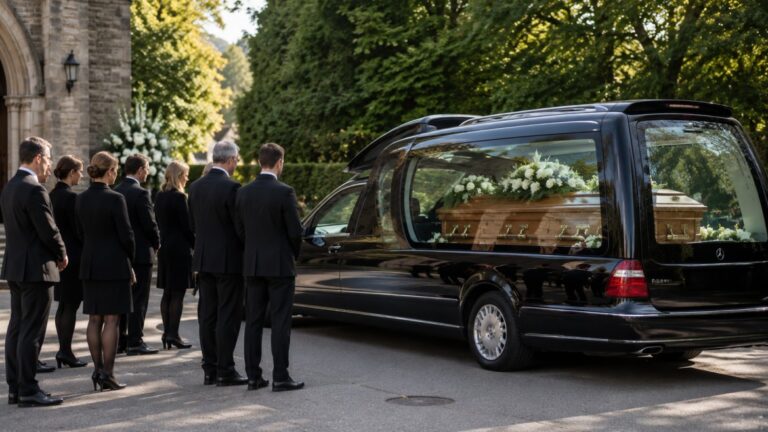
Planning a funeral often brings one practical question that families overlook until the last moment: how many cars will you actually need? Whether it’s a hearse and a single limousine or a full fleet of vehicles for a large gathering, getting the numbers right matters, both for comfort and for keeping the day running smoothly. This guide breaks down exactly how to work out your fleet size, based on family numbers, guest travel needs, and the type of send-off you’re planning, so you can choose the right funeral transport with confidence rather than guesswork.
Why Fleet Size Matters More Than People Think
A funeral is one occasion where transport isn’t just logistics, it’s part of how the day feels. Too few cars and close relatives end up squeezed together or arriving separately, which can add stress to an already difficult day. Too many cars and you’re paying for space nobody uses.
Getting the balance right means every immediate family member travels with dignity, guests know where they’re going, and the procession itself looks respectful and well organised as it moves through the community.
The Basic Fleet Formula
Most funeral directors work from a simple starting point:
- One hearse to carry the coffin
- One limousine for every 6 to 7 close family members
- Additional cars for extended family, close friends, or those who need help with mobility
For a typical family funeral, this usually means a hearse plus one or two limousines. Larger families, or funerals with a big community following, often need three or more limousines plus extra following cars.
Example Scenarios
Small, close family funeral: A hearse and one limousine seating up to seven passengers is usually enough for immediate family, such as a spouse, children, and parents.
Medium sized family funeral: A hearse plus two limousines works well when you have grandchildren, siblings, and in-laws all needing transport from the family home to the service and on to the wake.
Large family or well known community figure: Three or more limousines, plus additional saloon cars, may be needed. This is common for funerals with a large extended family or where many people want to be part of the official procession rather than making their own way.
Factors That Change Your Fleet Requirements
Number of Immediate Family Members
Start by listing who absolutely needs to travel in the official cars. This typically includes the partner, children, parents, and siblings of the person who has died. Everyone else can usually make their own way or travel with family in the wider group.
Distance Between Venues
If the funeral home, service venue, and crematorium or cemetery are close together, fewer cars may be needed since some guests can walk or drive independently. Longer distances between venues, or a service followed by a separate wake location, often call for an extra car or two to keep everyone together.
Mobility and Age of Attendees
Elderly relatives or those with limited mobility should always be factored in. It’s worth asking your funeral director about vehicles with easier access, rather than assuming everyone can manage the same car.
Type of Service
A traditional church service followed by burial often needs a slightly larger fleet than a short crematorium only service, simply because there are more stops and more time for guests to need transport between locations.
Budget
Fleet size is one of the more flexible costs in a funeral. Many families choose to prioritise a hearse and one limousine, then arrange for other guests to travel by their own car or shared lifts. This is entirely normal and nothing to feel awkward about.
Questions to Ask Your Funeral Director
Before confirming numbers, it helps to ask:
- How many passengers does each limousine seat comfortably?
- Can vehicles accommodate wheelchairs or those with walking difficulties?
- Is there flexibility to add or remove a car closer to the date?
- What is included in the fleet cost, and are there mileage limits?
- Can the fleet collect family from more than one address if relatives live separately?
A good funeral director will talk you through these points without pressure, helping you settle on a number that suits your family rather than a one size fits all package.
Practical Tips for Deciding Fleet Numbers
- Make a simple list of immediate family who must travel together
- Ask relatives directly whether they’d prefer to travel independently
- Factor in child seats if young children will be attending
- Confirm pickup addresses early, especially if family are coming from different homes
- Keep a little flexibility in the plan in case numbers change in the final days
Conclusion
Working out how many vehicles you need for a funeral doesn’t have to be complicated once you break it down by family size, travel distance, and mobility needs. Most families find that a hearse and one or two limousines covers immediate relatives comfortably, while larger or more spread out families may need a fuller fleet. The most important thing is to speak with a funeral director who will listen to your family’s specific circumstances and help you plan a fleet that feels right, not just one that fills a package. If you’re arranging a funeral transport in Bolton and would like honest, straightforward advice on fleet numbers and pricing, get in touch with our team today for a no obligation chat about your family’s needs.
Frequently Asked Questions
How many people fit in a standard funeral limousine?
Most funeral limousines comfortably seat six to seven passengers, though this can vary slightly depending on the vehicle. It’s always worth confirming exact seating with your funeral director before finalising numbers.
Do we need more than one hearse for a funeral?
No, a funeral only requires one hearse to carry the coffin. Additional vehicles in the fleet are limousines or following cars for family and guests, not extra hearses.
Can we reduce the fleet to save money?
Yes, many families choose just a hearse and one limousine, with other guests travelling independently or in shared lifts. This is a common and perfectly acceptable choice, and it won’t be seen as lacking respect.
What happens if we need to change the fleet size close to the funeral date?
Most funeral directors will try to accommodate last minute changes where possible, though it depends on vehicle availability. It’s best to confirm numbers as early as you can and flag any likely changes in advance.
Can the fleet pick up family from different addresses?
Yes, this is common when relatives live apart. Let your funeral director know the pickup addresses early so the route and timings can be planned properly.