Northolt Drive, Mikar Business Park, Bolton BL3 6RE

Bus Hire For School Trips Safety Checks
Bus hire for school trips should be chosen on safety, safeguarding, legal compliance and practical suitability, not just price. A school journey is part of the educational visit, so transport planning needs the same care as the venue, staff ratios and activity risk assessment. Before you confirm a provider, it should be clear who is driving, what vehicle will arrive, how the vehicle is maintained, what insurance is in place and how safeguarding concerns are handled.
For teachers, trip leaders and school business managers, this can feel like a lot to check while also planning consent forms, packed lunches, medical notes and the inevitable missing water bottle. A clear process makes it much easier. Once you know what evidence to ask for, comparing providers becomes less about guesswork and more about confidence.
DKU supports schools with safe, comfortable and reliable group transport across the UK. From day trips and sports fixtures to residential visits and larger educational journeys, the aim is simple. We help schools move pupils safely, on time and with less stress for staff. A professional operator should make the booking process clearer, not add another headache to the school office.
Why Transport Planning Is Part Of School Trip Safeguarding
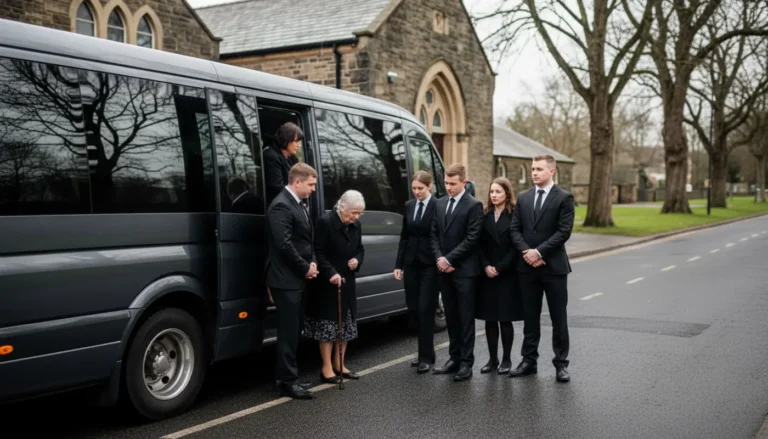
Transport planning is part of school trip safeguarding because pupils remain under the school's care throughout the journey. The coach, bus or minibus is a supervised setting, so behaviour, welfare, accessibility, emergency planning and staff roles all need to be agreed before travel. When schools compare school coach hire, they should look beyond the number of seats and check whether the provider is suitable for children and young people.
Official guidance on health and safety on educational visits makes clear that schools should check outside organisations have suitable safety standards and public liability insurance. That same idea applies to transport providers. A coach company may meet legal rules, but a school still needs to decide whether the arrangements meet its own policies and the needs of the pupils travelling.
How To Choose Bus Hire For School Trips With Confidence
The best way to choose bus hire for school trips is to assess the operator, driver, vehicle, route and school supervision plan together. Looking at only one part can leave gaps. A modern coach is useful, but it still needs a qualified driver, sensible journey times, clear seat belt expectations and a safe place for pupils to board and leave the vehicle.
Start by asking who will operate the journey. The provider should be able to confirm its operator licence position, insurance cover, vehicle capacity, seat belt provision and emergency contact process. If another operator might be used, that should be disclosed before the school agrees the booking. Subcontracting is not automatically a problem, but it should never be a surprise on the morning of departure.
It is also worth asking for the vehicle size and layout before confirming. A small group may suit a minibus, while a larger group may need a single deck coach, double deck coach or several vehicles. Capacity should include pupils, staff, support workers and luggage. No pupil should be expected to share a seat, and the school should check whether mobility aids, sports equipment, musical instruments or overnight bags need extra space.
Licensing Insurance And Legal Checks
Licensing, insurance and legal checks help schools confirm that the transport provider is allowed and prepared to carry pupils safely. For paid school transport using larger passenger vehicles, schools should expect the operator to meet the relevant public service vehicle requirements. In simple terms, this means the business must be authorised to run passenger transport, the vehicle must be suitable for the work and the driver must hold the correct entitlement. The operator licence is not the same as the driver's licence, so both areas matter.
Insurance is another core check. Schools should ask for confirmation of vehicle insurance and public liability insurance. Employer's liability may also be relevant where the transport provider employs drivers and support staff. The booking confirmation should set out what is included, who is responsible for each part of the service and what happens if timings, passenger numbers or the itinerary change.
Price still matters, especially for schools managing tight budgets, but very low quotes should be reviewed carefully. A reliable provider has real costs, including driver training, maintenance, compliance, insurance and customer support. Good value is not the same as the cheapest option. It means the school receives the right vehicle, proper standards and clear communication at a fair price.
Vehicle Safety And Roadworthiness Standards
Vehicle safety and roadworthiness standards show whether the coach, bus or minibus is fit for the journey. A suitable school trip vehicle should be clean, roadworthy, correctly seated and appropriate for the journey length. For longer travel, a coach may offer better comfort, luggage space and onboard facilities. For shorter local journeys, a minibus or bus may be enough, provided it meets the school's safety, accessibility and supervision needs.
Schools can ask how vehicles are inspected and maintained. Daily driver checks, regular maintenance and proper defect reporting are all part of a safe operation. Important areas include tyres, brakes, lights, mirrors, emergency exits, seat belts, fire safety equipment and first aid arrangements. Staff do not need to become mechanics, thankfully, but they should expect the provider to answer safety questions clearly.
Seat belts should be discussed before booking. Many schools require seat belts for all pupils, even where the legal rule may depend on the vehicle type or journey. The important point is that the school sets a clear expectation, confirms the vehicle can meet it and tells pupils that seat belts must be worn when seated. A short safety briefing before departure can prevent a lot of wriggling, swapping and general coach based excitement.
Safeguarding Requirements For School Trip Transport
Safeguarding requirements for school trip transport should cover supervision, boundaries, reporting and safe communication. Safeguarding is more than asking whether a driver has a DBS check. The school should consider what contact the driver will have with pupils, whether any one to one contact could occur, how concerns are reported and who supervises pupils during the journey. The driver's main role is to drive safely. Pupil behaviour, headcounts, medical needs and welfare usually remain the school's responsibility.
Before travel, agree how staff and the driver will communicate. The trip leader should know the driver's name, the vehicle registration where possible and the provider's emergency number. The driver should know the main destination, planned stops, return time and any key access instructions. If the trip is residential, includes late night travel or involves stops at service stations, safeguarding arrangements should be even clearer.
Schools should avoid situations where a driver is left alone with a pupil. If a pupil is unwell, delayed, distressed or needs support, school staff should manage that situation. The provider should also have a safeguarding policy and a process for reporting concerns. DBS checks can form part of safer practice, but they do not replace supervision, clear boundaries and good planning.
Driver Competence Rest And Communication
Driver competence, rest and communication are key parts of safe school transport. A professional school transport driver should have the correct licence, relevant training and knowledge of passenger safety. For many coach and bus journeys, drivers also need Driver Certificate of Professional Competence. Schools do not have to know every technical detail, but they can ask the provider to confirm that drivers are properly qualified and that licence checks are carried out.
Fatigue planning is often overlooked. Journey times should be realistic, especially for long distance trips, residential visits, airport transfers or overseas tours. Rest breaks must be planned around legal requirements and pupil welfare. A coach full of tired children is one thing. A tired driver is quite another, and not in a funny way.
Clear communication helps the whole journey run better. Agree who gives the passenger safety briefing, who checks seat belts, who manages noise levels and who handles parent updates if the return is delayed. What happens if the coach is delayed on the way back? Who updates the school office and parents? These details are much easier to manage when they are agreed before the vehicle leaves.
Accessibility And Additional Needs
Accessibility and additional needs should be planned early so every pupil can travel safely and with dignity. If a pupil uses a wheelchair, has limited mobility, requires medical equipment or needs a particular seating position, the provider needs clear details before quoting. Schools should ask whether the vehicle has a lift or ramp, how mobility equipment is secured and whether suitable seating can be reserved.
Accessibility also includes the boarding point, destination access and rest stops. A wheelchair accessible vehicle is only part of the plan if the coach cannot safely stop close to the entrance or the rest area is unsuitable. Staff should think through boarding, leaving the vehicle, evacuation, toilet stops and what happens if a replacement vehicle is needed during a breakdown.
Some pupils may have sensory needs, anxiety, medical conditions or behaviour support plans. The transport plan should consider seating, staff placement, noise, journey length and access to medication. It is often helpful to place familiar staff near pupils who may need reassurance. Small details can make the journey calmer for everyone, including the teacher who has already counted the group six times.
Route Planning And School Gate Safety
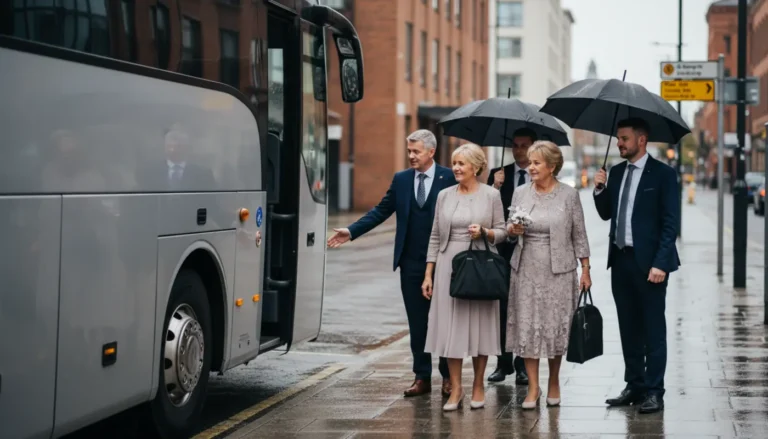
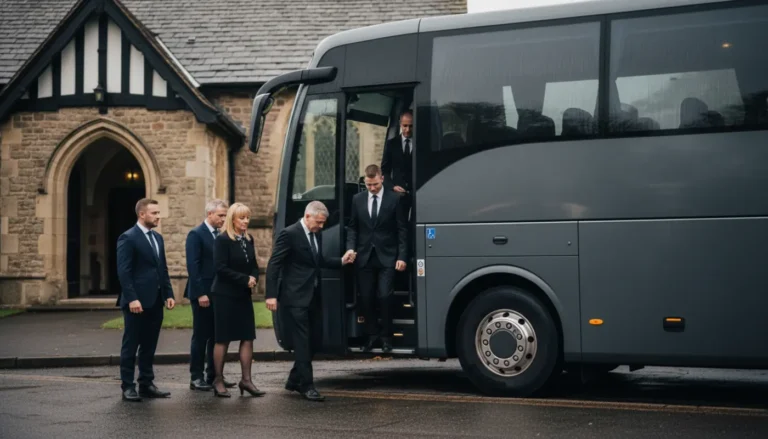
Route planning and school gate safety reduce risk before the vehicle even moves. The school should assess where the bus or coach will stop, how pupils will reach it and how pedestrians are kept away from moving vehicles. Busy school gates can be crowded, noisy and full of distractions. A designated loading area, visible staff presence and clear instructions for pupils and parents can reduce risk.
Where possible, avoid reversing near pupils. If vehicle movements are unavoidable, they should be controlled and supervised. Lighting, road markings, weather, parked cars and morning congestion all affect safety. Staff should know where pupils will wait, when they will board and how luggage will be loaded without children wandering near the vehicle.
Route planning should cover more than the postcode of the destination. The provider should consider vehicle access, height restrictions, narrow roads, low bridges, parking permissions and safe rest areas. The school should build in extra time for traffic and comfort breaks. For residential or late return journeys, think about pupil tiredness, staff supervision and parent collection arrangements.
Emergency And Breakdown Planning
Emergency and breakdown planning gives schools a clear response if the journey does not go to plan. A good provider should be able to explain what happens if a vehicle breaks down, a driver becomes unavailable or severe traffic disrupts the journey. Schools should ask whether there is an emergency contact, how replacement vehicles are arranged and how the driver will communicate with the trip leader. This is especially important for evening returns, rural destinations and long distance travel.
The school should prepare its own emergency information too. That includes a passenger list, staff contact numbers, parent contact process, medical details, consent information and a headcount routine. Staff should know who contacts the school office, who stays with pupils and who manages communication with parents if the group is delayed.
After the trip, schools should record any incidents, near misses, delays, behaviour concerns, safeguarding worries or transport issues. This is not about creating paperwork for the sake of it. It helps the school improve future visits and gives the provider feedback where something could be better next time.
School Transport Safety Checklist
A school transport safety checklist helps staff compare providers and collect evidence before approving a booking. It can also support internal approval by the educational visits coordinator, safeguarding lead, school business manager or headteacher.
- Confirm the operator licence position and who will operate the journey.
- Request insurance confirmation, including vehicle and public liability cover.
- Check vehicle capacity, seat belts, luggage space and accessibility needs.
- Confirm driver qualifications, training and rest arrangements.
- Agree safeguarding boundaries, supervision roles and reporting procedures.
- Ask whether subcontracting may be used and require prior approval.
- Plan safe collection, drop off, rest stops and emergency arrangements.
- Prepare passenger lists, medical information and parent communication plans.
- Review the quote for parking, tolls, waiting time and cancellation terms.
- Record incidents, delays or near misses after the trip.
Bus Minibus Or Coach For A School Trip
Choosing between a bus, minibus or coach depends on group size, distance, luggage, accessibility and supervision needs. A coach is often the best choice for longer journeys, larger groups and trips with luggage. It usually provides more comfort, better storage and a smoother experience for pupils and staff. Coaches are also well suited to residential visits, theatre trips, theme parks, museums, fieldwork and inter school events where timing and group control matter.
A minibus can work well for smaller groups, short journeys and local activities. Schools should still check driver entitlement, passenger capacity, supervision and accessibility. A minibus may feel simpler, but it still needs proper planning. If staff are driving, the school will need to follow its own policies carefully.
Public bus travel may suit some local trips, but it brings different supervision challenges. Pupils may be travelling alongside members of the public, timetables may change and large groups can be harder to keep together. For many educational visits, dedicated transport gives schools more control over timing, safeguarding and communication.
Questions To Ask Before Accepting A Quote
Before accepting a school transport quote, ask who will provide the vehicle, whether a subcontractor could be used and what vehicle type is expected. Check the total price and whether it includes parking, tolls, waiting time, extra mileage, driver accommodation and changes to the itinerary. A quote should be clear enough that the school can compare it fairly with other options.
It is also sensible to ask for a named contact. Schools need someone who can answer practical questions before the trip and support the trip leader on the day if plans change. A provider that responds clearly at the enquiry stage is often easier to work with when timing, access or passenger details need adjusting.
The safest choice is usually the provider that combines compliance, experience, clear communication and a suitable vehicle. When arranging educational visits transport, reassurance matters. Schools, parents and pupils all benefit when the transport plan feels organised, calm and properly checked. If you are planning a school journey, speak with DKU early, share the trip details and ask for support with the right vehicle, timings and safety checks.
Frequently Asked Questions
Is A PSV Operator Licence Needed For School Trip Coach Hire?
For many paid coach and bus journeys carrying groups of passengers, the operator will need the correct public service vehicle authorisation. Schools should ask the provider to confirm its licensing position before booking.
Should Every Pupil Wear A Seat Belt?
Schools should choose a suitable vehicle and set a clear seat belt policy before travel. Pupils should be told to wear seat belts whenever they are seated and belts are fitted.
Does The Coach Driver Supervise Pupils?
The driver's main responsibility is safe driving. The school should provide staff supervision for behaviour, headcounts, welfare and safeguarding throughout the journey.
What If A Provider Uses A Subcontractor?
The school should be told in writing before travel and should approve the arrangement. The substitute operator should meet the same safety, insurance, driver and safeguarding standards.
How Early Should Schools Book Transport?
Book as early as possible for peak trip seasons, large groups, accessible vehicles and residential journeys. Early planning gives more choice and more time to complete checks properly.
What Documents Should Schools Request Before Booking?
Schools should request confirmation of operator licensing, insurance, vehicle suitability, seat belt provision, accessibility arrangements and emergency contact details. The provider should be able to explain these clearly and without fuss.
How Should Accessible Coach Hire Be Arranged?
Accessible travel should be discussed as early as possible. Share details about wheelchairs, mobility aids, medical equipment, seating needs and boarding arrangements so the provider can recommend a suitable vehicle.
What Happens If Pupil Numbers Change?
Tell the provider as soon as possible. A small change may be simple to manage, but larger changes can affect vehicle size, supervision, luggage space and the final quote.