Northolt Drive, Mikar Business Park, Bolton BL3 6RE
Losing a loved one brings enough to think about without worrying over logistics. Yet funeral transport is one of those details that quietly shapes how the whole day feels, from the dignity of the hearse procession to whether every guest actually makes it to the service on time. Whether you need a traditional hearse, a fleet of mourner cars, or a coach to bring family from across the country, choosing wisely matters. This guide walks through what to consider, the options available, and the questions worth asking before you book, so you can focus on what really matters: saying goodbye properly.
Why Funeral Transport Deserves Careful Thought
Funeral transport isn’t just about getting from A to B. It sets the tone for the entire service. A smooth, well organised journey allows everyone to focus on remembering their loved one rather than worrying about parking, timing, or who’s travelling with whom.
Good transport also reflects respect. Families often remember small details years later, such as how calmly the drivers handled the day or how comfortable elderly relatives felt during the journey.
Types of Funeral Transport to Consider
The Traditional Hearse
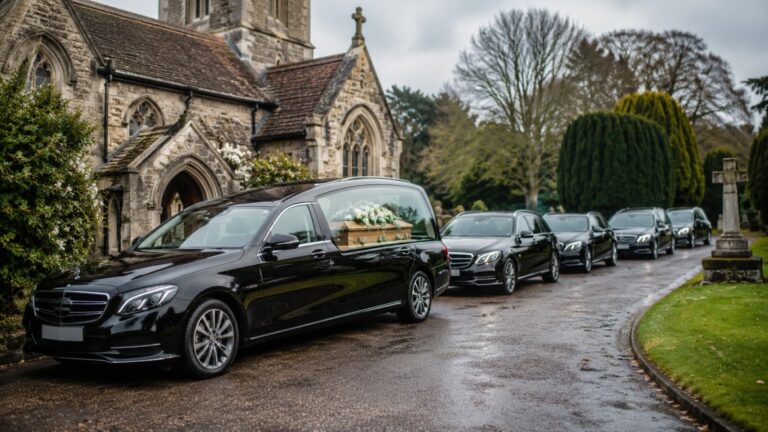
The hearse remains the centrepiece of most funerals. It carries the coffin from the funeral home to the church or crematorium, usually leading the procession.
Things to think about:
- Style: traditional, vintage, or modern
- Colour: black is standard, though some families choose white or silver
- Capacity for flowers, as larger tributes need more space
Limousines and Mourner Cars
These carry close family members behind the hearse. Most funeral directors offer one or two as standard, though larger families sometimes need more.
- Confirm how many passengers each car seats comfortably
- Ask about child seats if young family members are attending
- Check whether the cars are heated and well maintained, particularly for winter funerals
Coach Hire for Larger Groups
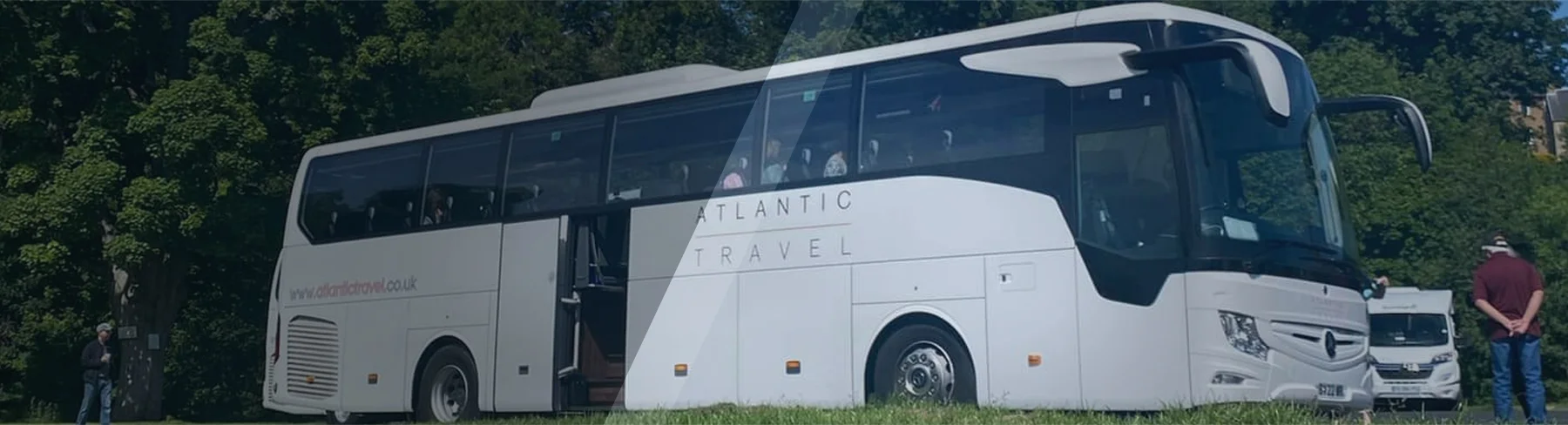
When mourners are travelling from various towns or even other parts of the country, a coach can make a real difference. It keeps everyone together, removes the stress of separate cars and parking, and often works out more affordable than booking several taxis.
This is particularly useful for:
- Workplace colleagues attending together
- Extended family travelling from out of town
- Moving guests from the service to a wake at a different venue
Specialist or Alternative Transport
Some families prefer something more personal, such as a motorcycle hearse, a horse-drawn carriage, or a vintage car that reflects the person’s life and interests. These choices can turn a difficult day into a meaningful tribute.
What to Look For When Choosing a Provider
Experience and Reputation
Look for a company with a genuine track record in funeral or special occasion transport. Ask how long they’ve operated, whether their drivers are trained specifically for funerals, and if they can provide references or reviews.
Vehicle Condition and Comfort
Funeral days are long and emotionally draining. Vehicles should be clean, comfortable, and well presented. If you’re booking a coach, check seating comfort, accessibility for elderly or disabled guests, and whether air conditioning or heating is available.
Punctuality and Professionalism
Timing matters enormously on the day. A reliable provider will:
- Arrive early to confirm routes and timings
- Communicate clearly with the funeral director
- Handle unexpected delays calmly, such as traffic or last minute changes
Flexibility
Every funeral is different. A good provider should be willing to adapt to specific requests, whether that’s a particular route past a meaningful location, accommodating mobility needs, or adjusting timings around a religious service.
Transparent Pricing
Ask for a clear, written quote that covers all costs upfront. Hidden charges added after the event can add unnecessary stress to an already difficult time.
Questions to Ask Before Booking
- How many vehicles are included, and what’s the maximum capacity?
- Is the price fixed, or could it change depending on distance or waiting time?
- What happens if more guests need transport than originally planned?
- Are drivers experienced specifically with funerals or bereavement services?
- What’s the cancellation or rescheduling policy?
Planning Tips for a Smoother Day
- Confirm numbers early, as guest counts often change closer to the date
- Share the full itinerary with your transport provider, including the service venue, burial or cremation site, and wake location
- Allow extra time between stops, particularly if travelling through busy areas
- Keep a single point of contact between the family and the transport company to avoid mixed messages
Conclusion
Choosing the right funeral transport is about more than vehicles and timetables. It’s about giving family and friends the space to grieve together without added stress, and ensuring the day runs with the dignity it deserves. By thinking ahead about vehicle types, provider experience, and clear communication, you can take one significant worry off your plate during a difficult time.
If you’re arranging transport for a funeral and need a coach or vehicle that’s comfortable, punctual, and handled with genuine care, get in touch with our team. We’re happy to talk through your requirements and help plan a journey that brings everyone together when it matters most.
Frequently Asked Questions
1. How far in advance should I book funeral transport?
As soon as the funeral date is confirmed, ideally at least one to two weeks ahead. Popular dates and busy periods can fill up quickly, particularly for coach hire involving larger groups.
2. Can I request a specific route for the hearse or procession?
Yes, most providers are happy to plan a route past a meaningful location, such as a family home or favourite local spot, as part of the tribute.
3. What happens if guest numbers change close to the day?
A flexible provider will do their best to accommodate last minute changes, though it’s always worth confirming numbers as early as possible to avoid availability issues.
4. Are drivers trained to handle the sensitivity of a funeral?
Reputable funeral transport companies train their drivers specifically for bereavement services, focusing on calm, respectful, and unobtrusive conduct throughout the day.
5. Can transport be arranged for guests with mobility needs?
Yes, it’s worth mentioning any accessibility requirements when booking so the provider can arrange suitable vehicles, such as those with easier step access or extra space for mobility aids.