Northolt Drive, Mikar Business Park, Bolton BL3 6RE

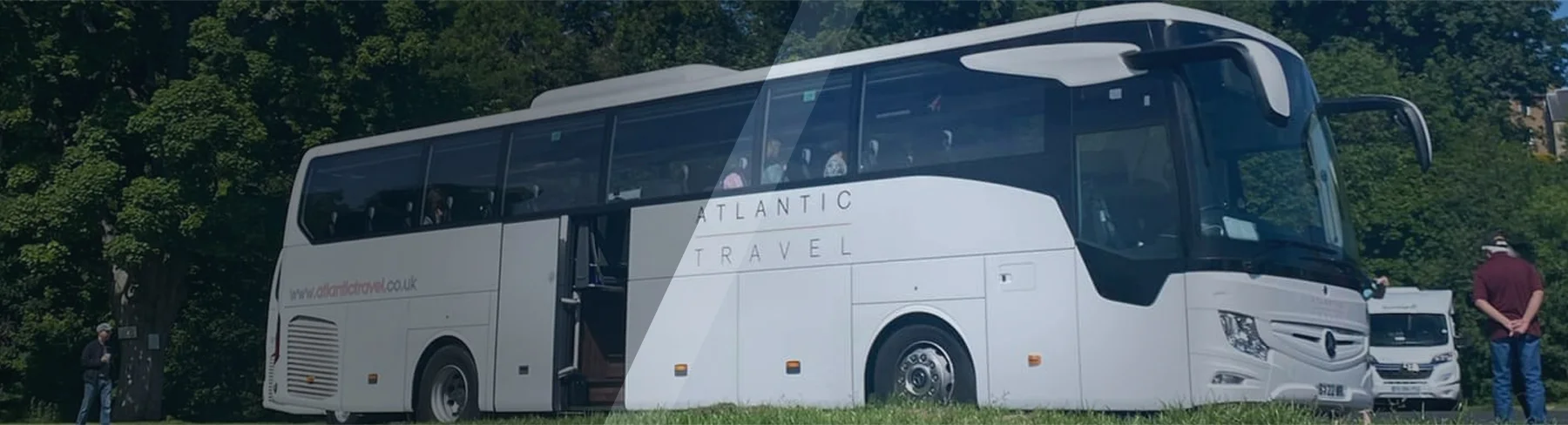
Why School Mini Bus Hire Can Be The Better Choice
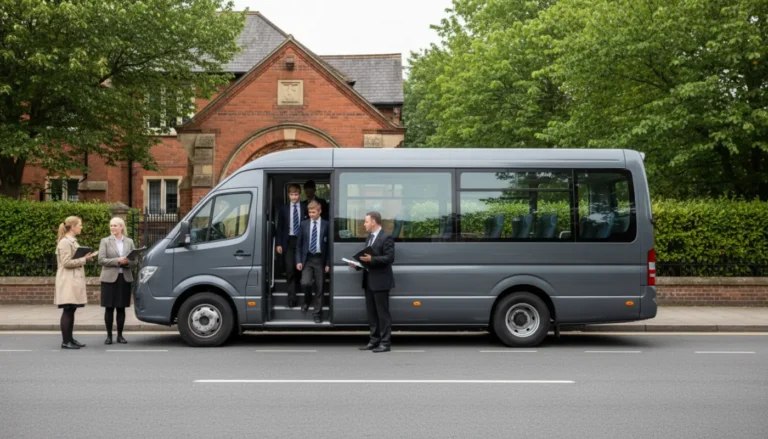
School mini bus hire is often the right choice when a school needs safe, simple transport for a smaller group. It works well for sports teams, small class trips, intervention groups, music events, local learning visits and places where a larger coach may be hard to park or turn. A smaller vehicle can also make supervision easier because pupils and staff stay in a more compact space.
Choosing the right vehicle is not only about the number of seats. Schools also need to think about luggage, wheelchair access, staff ratios, journey length, pick up points, parking and the type of destination. Are pupils carrying sports kit, musical instruments or mobility equipment? A 12 seat or 16 seat minibus may be ideal for one trip, while a full size coach may be better for a whole year group. The aim is to match the vehicle to the journey, not to guess and hope everything fits.
Atlantic Travel helps schools plan comfortable, reliable and safe group transport across the UK. The team can support school trips, sports fixtures, learning visits and regular transport with vehicles that suit the group size and route. For schools comparing options, clear advice at the planning stage can save a lot of admin later. That is always welcome when the school office already has twelve other things happening before lunch.
Why School Minibus Hire Works For Smaller Groups
School minibus hire works best when the group is too large for cars but too small for a full coach. It is a good option for small pupil groups, clubs, intervention sessions, staff transport, sports fixtures and short learning visits. It can also suit routes where a larger coach would struggle with narrow roads, small entrances or limited parking.
A minibus keeps the travelling group together without booking seats that are not needed. This helps staff complete head counts, manage behaviour and keep pupils close during boarding and leaving the vehicle. If your school is arranging school trip transport, a smaller vehicle can also make planning feel easier because the passenger list, luggage and supervision needs are easier to check.
Smaller does not always mean better. If the journey includes overnight bags, musical instruments, sports kit, mobility aids or a larger staff team, space can disappear quickly. It is always worth asking for the exact passenger capacity and luggage space before confirming the booking.
What Is A School Minibus?
A school minibus is usually a passenger vehicle made to carry a small group, often with between 9 and 16 passenger seats. In most cases, the driver is not counted as a passenger. Vehicle layouts can vary, so a 16 seat minibus from one provider may not offer the same usable space as another.
Schools should check how the seats are arranged and whether any seats are removed when wheelchair spaces are needed. They should also confirm that every passenger seat has a suitable seatbelt and that the vehicle is right for the age and needs of the pupils. GOV.UK offers useful neutral guidance on driving a minibus, including passenger numbers and permit points.
Common options include 8 or 9 passenger vehicles, 12 seat minibuses, 16 seat minibuses and accessible minibuses. Some schools need a vehicle with a professional driver, while others may be considering self drive hire. The right choice depends on the journey, the school's duties and the pupils travelling.
When A Smaller Vehicle Is Better Than A Coach
A smaller vehicle is often better when the group is small, the route is local or the destination has limited access. For example, a PE department taking a team to an away fixture may not need a large coach. A small group visiting a museum, theatre workshop or outdoor learning centre may also travel more easily by minibus.
Access is a major factor. Many schools and visitor attractions have tight entrances, residential roads, narrow rural lanes or small car parks. A minibus can often manage these spaces more easily than a larger coach, although the route still needs checking before travel. It is sensible to ask the destination about drop off points, turning space and parking rules.
Minibuses are also useful for several pick up or drop off points. A smaller vehicle may be easier to route through residential areas or between school sites. For regular arrangements such as clubs, alternative provision or private school transport, the right sized vehicle can help keep the service steady and practical.
Minibus Versus Coach For A School Trip
A minibus is usually best for small to medium groups, shorter journeys, sports teams, clubs and routes with restricted access. A coach is usually better for larger year groups, longer journeys, residential trips and groups carrying a lot of luggage. Both can be excellent choices when used for the right trip.
For supervision, a minibus gives staff a smaller group setting. Pupils are easier to count, brief and monitor. A coach, however, may be more suitable if the school wants the whole group to travel together in one vehicle, especially for longer journeys where comfort and onboard space matter more.
Luggage is often the deciding point. Will pupils have overnight bags, bedding, instruments or specialist equipment? A minibus may suit modest bags, sports kit or day trip equipment, but it may not work if every pupil brings more than expected. A coach normally has better storage, but this should still be checked. No one wants to discover at 7.45 am that the hockey sticks have taken over the aisle.
How To Choose The Right Minibus Size
Start with an accurate passenger count. Include pupils, teachers, teaching assistants, support staff, passenger assistants and any adults who need to travel. If a professional driver is provided, remember that the driver is separate from the passenger count. It is also wise to confirm final numbers before the booking deadline.
Next, look at what the passengers are bringing. Sports equipment, musical instruments, art materials, medical equipment, mobility aids and overnight bags all affect space. Ask the provider how much luggage can be carried when the vehicle is full. A vehicle that works for 12 pupils with packed lunches may not work for 12 pupils with suitcases.
Accessibility should be discussed early, not added at the end. If a pupil uses a wheelchair, ask whether the minibus has a ramp or lift, wheelchair restraints, enough internal space and suitable seating for a passenger assistant. Also ask whether wheelchair spaces reduce the number of standard seats. Clear information at this stage helps avoid awkward changes later.
Hire With A Driver Or Self Drive?
School minibus hire with a driver is often the simplest option because the transport provider supplies the vehicle and driver. This reduces the pressure on school staff and allows teachers to focus on pupils rather than route planning, parking and driving. It can be especially useful for long days, unfamiliar destinations and journeys with several stops.
Even when a driver is supplied, schools should still ask sensible questions. Check whether the operator is suitable for school transport, whether the vehicle is maintained and checked, and what happens if there is a delay or breakdown. It is also fair to ask about driver suitability, safeguarding steps and communication during the journey.
Self drive minibus hire is different. The school must be confident that the person driving has the correct licence, insurance cover, training, route knowledge and fitness to drive. Driver tiredness is a real issue, especially after a long day supervising pupils. A teacher who has just spent six hours at a muddy field centre may not be the freshest driver on the road.
School owned or school operated minibuses bring ongoing duties. These include maintenance, safety checks, insurance, driver management, records and emergency steps. For some schools this works well, but for others, hiring with a driver is more practical and less admin heavy.
Licence And Permit Points Schools Should Understand
UK minibus rules can feel confusing because the answer depends on who owns the vehicle, who is driving, whether payment is involved and how the journey is run. A standard car licence should not be assumed to be enough in every case. Schools should always check the exact arrangement before travel.
D1 entitlement is important in many minibus driving situations, especially where driving is classed as hire or reward. Hire or reward does not only mean someone paying cash at the door. It can include direct or indirect payment as part of the transport arrangement. This is one reason why schools should take licensing seriously rather than relying on assumptions.
Section 19 permits can apply to qualifying not for profit bodies under set conditions, but they are not a universal shortcut. They do not replace the need to understand the school's duties, the driver's entitlement or the vehicle's suitability. If there is any doubt, the school should check with the relevant authority or use a professional operator that can explain the arrangement clearly.
Safety, Safeguarding And Comfort On School Minibus Journeys
Safe school transport is about more than the vehicle looking clean and ready. Schools should think about the full journey, from the moment pupils gather at the collection point to the moment they are handed back at the end. Good planning includes supervision, boarding, seating, behaviour expectations, emergency contacts and return steps.
Before departure, staff should confirm the passenger list, complete a head count and check that seatbelts are worn. Luggage should be secure, doors should be clear and pupils should understand the basic behaviour rules. Boarding and leaving the vehicle should be supervised, especially near traffic or busy school entrances.
Safeguarding is closely linked to transport planning. Staff should know who is travelling, who is collecting pupils, what to do if the group is delayed and how to support pupils with medical or additional needs. Children and vulnerable passengers should not be left unattended if a parent, carer or receiving adult is not present.
Comfort matters too. A calm, well timed and properly planned journey helps pupils arrive ready to learn, compete or enjoy the visit. For longer journeys, build in comfort breaks and realistic timings. A timetable that looks brave on paper can feel very different once traffic, toilets and snack wrappers join the trip.
What To Include In A School Minibus Hire Quote Request
A clear quote request helps the provider recommend the right vehicle and avoids surprises later. Schools should give as much practical detail as possible, especially where the journey includes equipment, accessibility needs or several stops. A good brief also makes it easier to compare quotes fairly.
- Travel date, return date and preferred times
- Full collection address and destination address
- Number of pupils, staff and passenger assistants
- Pupil ages and any supervision requirements
- Wheelchair access, mobility aids or additional support needs
- Luggage, sports kit, instruments or specialist equipment
- Number of pick up or drop off points
- Whether a professional driver is required
- Parking, access and turning information at both ends
- Waiting time, return journey and any backup plans
- Breakdown plans, cancellation terms and what is included in the quote
When comparing quotes, look beyond the headline price. Ask whether driver time, waiting time, parking, tolls and VAT are included. Also ask what happens if the vehicle becomes unavailable. A slightly clearer quote can be far better value than a cheaper one that leaves too many questions unanswered.
Common Mistakes To Avoid When Booking
The biggest mistake is booking by seat count alone. A 16 seat minibus may sound perfect until you add staff, support needs, luggage and equipment. Always think about usable space, not just the number shown beside the vehicle description.
Another common issue is forgetting access. A coach or minibus may be suitable on paper, but the destination may have a narrow lane, low branches, limited parking or a strict drop off area. Checking access in advance saves stress on the day and helps the driver plan a safe route.
Schools should also avoid assuming that self drive is always easier or cheaper. Once licence checks, insurance, staff time, training, driver tiredness and responsibility are considered, professional driver hire may be the more sensible option. It gives staff more time to supervise pupils and less time worrying about sat nav debates.
Final Thoughts On School Minibus Hire
School minibus hire is a strong choice when the vehicle matches the group, route and purpose of the journey. It can be ideal for small classes, sports fixtures, clubs, short learning visits and routes where a full coach would be impractical. The key is to check capacity, access, luggage, accessibility, driver arrangements and safety steps before booking.
For schools, the best transport choice is the one that keeps pupils safe, supports staff supervision and fits the journey without extra difficulty. A well planned minibus booking can reduce admin, improve comfort and help the day run more smoothly. When in doubt, ask questions early and give the provider a full picture of the trip.
Frequently Asked Questions
How Many Pupils Can Travel In A School Minibus?
A school minibus often carries between 9 and 16 passengers, but the usable capacity depends on the layout, luggage and any wheelchair spaces. Always confirm whether the number excludes the driver, and ask about storage too. It is a simple check that can save a lot of last minute juggling.
Is A Minibus Better Than A Coach For A School Trip?
A minibus is usually better for smaller groups, short trips and destinations with limited access. A coach is often better for large groups, long journeys and trips with lots of luggage. If you are unsure, share the full journey details and equipment list before booking.
Can A Teacher Drive A Hired Minibus?
It depends on the driver's licence entitlement, insurance, the vehicle and how the journey is being run. Schools should check the rules carefully before choosing self drive. If there is any doubt, hiring with a professional driver can make things much simpler.
Can A School Minibus Carry Wheelchair Users?
Only a suitable accessible minibus should be used for wheelchair users. Check for a ramp or lift, restraints, internal space and whether wheelchair spaces reduce passenger seats. It is best to discuss this early so the right vehicle can be arranged.
What Information Is Needed For A Minibus Hire Quote?
Provide the date, route, passenger numbers, ages, luggage, accessibility needs, driver requirement, stops and return arrangements. The more detail you give, the more accurate the quote will be, and the easier it is to avoid surprises on the day.