Northolt Drive, Mikar Business Park, Bolton BL3 6RE

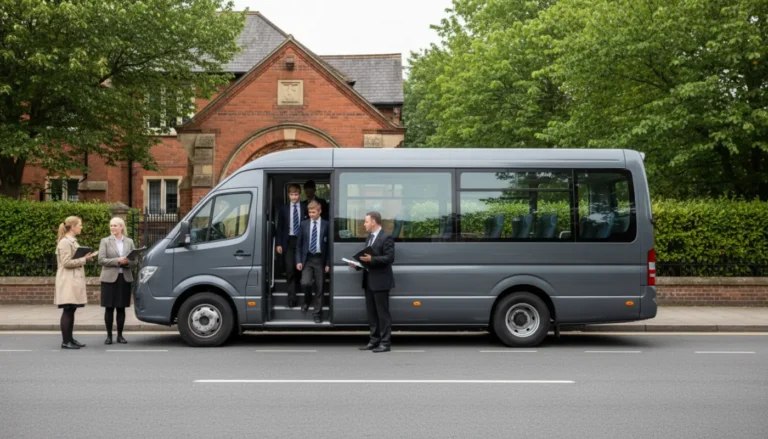
Funeral bus hire helps family, friends and mourners travel together to a funeral service, crematorium, cemetery or wake with less pressure on the day. It is usually arranged for passengers, not for the coffin, and it can sit alongside the hearse and other funeral vehicles. For many families, it offers a calm way to keep people together, reduce parking worries, and make sure older relatives or guests from another area arrive safely and on time.
Planning funeral transport can feel like one more task when your mind is already full. If you’re arranging this while grieving, it’s completely understandable to feel unsure where to start. You may be trying to work out passenger numbers, timings, access, mobility needs, and costs while also supporting everyone around you. A bus, minibus or coach is not right for every family, but it can be very helpful when several people need to make the same journey. The key is to plan calmly, ask clear questions, and avoid rushing into a booking before the route is understood.
Atlantic travel supports families with respectful group travel for sensitive occasions, including funeral journeys where comfort, reliability, and discretion matter. The aim is not to make the day feel formal or complicated. It is simply to help mourners travel with dignity and arrive where they need to be without extra stress. With the right planning, funeral transport can feel organised, gentle, and reassuring.
What Funeral Bus Hire Means For Families
Funeral bus hire means arranging a bus, minibus or coach to carry mourners between the important places linked to a funeral. This might include a family home, a church, a chapel, a crematorium, a cemetery, a wake venue or a return drop off point. It is different from a hearse, which is normally used to carry the deceased. A passenger vehicle is there to support the living, giving family and friends a shared journey that feels simpler and more settled.
Some families use funeral transport when they expect a larger group to attend. Others choose it because several mourners do not drive, are elderly, are travelling from another area or would rather not navigate unfamiliar roads on such an emotional day. If several relatives are travelling from the same place, shared transport can make the day feel calmer for everyone. It can also help if parking at the venue is limited, which is common at churches, older cemeteries, and busy crematoriums. A single vehicle can reduce the number of cars and make timings easier to manage.
Funeral Bus Hire Versus A Hearse
Funeral bus hire and a hearse serve different purposes. The hearse is part of the ceremonial arrangement for the deceased and is usually organised through the funeral director. A funeral bus, minibus or coach carries mourners and may travel behind the cortege, separately from it or directly between agreed venues depending on the plan. If a family wants a specialist ceremonial vehicle that carries both passengers and the coffin, this must be confirmed clearly, as it is not the usual meaning of funeral bus hire.
This difference matters because it helps avoid confusion when comparing quotes. If a funeral director mentions transport, ask exactly what is included. It may mean a hearse, a limousine, a family car or only part of the overall journey. If you are arranging a separate bus, make sure the funeral director knows the timings, route, and meeting point so everything works together on the day.
When Group Funeral Transport May Be Helpful
Group funeral transport may be helpful when several mourners need to travel from the same place or between more than one venue. It can keep people together and make the day feel less split up. Guests may travel from a family home, hotel, care home, community centre or train station. It can also support older relatives who would rather not drive after the service.
When people are grieving, even small details like finding parking or following a route can feel heavier than usual. A shared vehicle removes some of those practical worries. It is also useful where the funeral has more than one stage, such as a journey from a home to a place of worship, then to a crematorium or cemetery, then on to a wake. In that situation, one organised vehicle makes the route clearer and gives the family one main point of contact.
Choosing Between A Minibus, Coach And Funeral Bus
Choosing the right vehicle for funeral bus hire depends on passenger numbers, access, route, comfort, and the tone the family wants for the day. A minibus is often suitable for a smaller group, especially where the route includes residential streets or venues with limited turning space. It can feel more personal and easier to manage, but you should still check step height, luggage space, and whether the vehicle is suitable for walking aids. A minibus can be ideal for close family, pallbearers, older guests or a small group travelling from the same address.
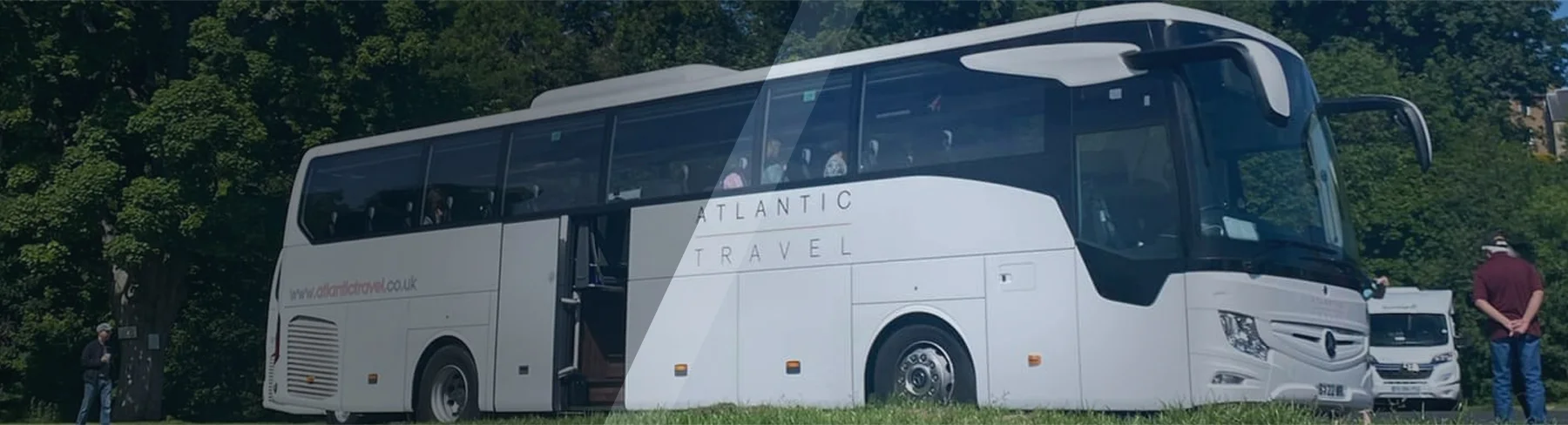
A coach is usually better for larger groups who need to travel together. It can reduce the number of private cars, make parking easier, and give passengers more space. Coaches may also be more comfortable for longer journeys, especially if guests are travelling from another town. Before choosing a coach, check venue access, turning space, drop off points, and whether the vehicle can wait safely during the service.
A special or ceremonial bus may be chosen because it reflects the personality, work history or interests of the person who has died. For example, a family might choose a particular vehicle style because it has meaning for the deceased. This can be a touching choice, but it must still work in practical terms. Comfort, access, timings, and route suitability should come first, even when the vehicle has personal meaning.
Why Seat Numbers Are Not The Whole Answer
Seat numbers do not always show how comfortable a funeral bus will be for mourners. A vehicle with many seats may not be the best option if guests have mobility aids, walking frames, large coats, floral tributes or personal belongings. Some passengers may need to sit near the front or close to the entrance. Others may need extra time and space to board without feeling rushed.
Ask the transport provider for a realistic comfort capacity, not just the advertised number of seats. This is especially important if several passengers need extra support. A slightly larger vehicle can sometimes be kinder than filling every seat, particularly when people may be tired, emotional or travelling in formal clothing.
Planning The Funeral Bus Hire Route
Planning the funeral bus hire route means listing every place the vehicle needs to visit and allowing enough time between each stage. This may include the collection address, family meeting point, service venue, crematorium, cemetery, wake venue, and final return destination. If some passengers only need part of the journey, note that too. The more accurate the route, the easier it is to create a fair quotation and a calm timetable.
Build in extra time for boarding, traffic, parking, walking from the vehicle to the entrance, and people gathering after the service. Funeral journeys rarely feel like normal journeys. Passengers may move more slowly, emotions may delay departure, and venues may have set arrival windows. It is better to have a gentle buffer than to feel hurried. No one wants the day to become a race against the clock, especially when people are already carrying enough.
Confirm the timetable with the funeral director before finalising transport. They can advise on cortege timing, venue arrival requirements, and whether the bus should travel with the procession or separately. They may also know about parking restrictions, cemetery access or waiting areas. If you are arranging a funeral bus service for family and friends, sharing the transport plan with the funeral director helps everyone work from the same information.
Accessibility And Comfort Questions To Ask
Accessibility should always be checked before booking funeral bus hire, especially if any passenger uses a wheelchair, walking frame, stick or needs extra support when boarding. Not every bus, minibus or coach has the same access features. Some vehicles may have steps, some may have handrails, and some may offer a lift or dedicated wheelchair space. It is important to ask about the exact vehicle that will attend, not just the general fleet.
Good questions include whether access is level, whether there is a ramp or lift, whether a wheelchair user can remain in their chair during travel, and where mobility aids can be stored safely. You may also want to ask whether passengers can sit near the entrance, whether the driver can allow extra boarding time, and whether there is room for a companion to sit nearby. Government guidance on bus and coach accessibility explains how information, seating, and suitable facilities can affect passenger confidence, so it is worth being specific.
Comfort matters too. Funerals can involve a lot of waiting, standing, and walking, so the journey should feel as easy as possible. Think about heating, seating, journey length, and whether passengers may need a quiet space before or after the service. A respectful driver who understands the tone of the day can make a real difference. Small acts of patience often matter more than grand gestures.
How Much Does Funeral Bus Hire Cost?
Funeral bus hire cost depends on the vehicle, journey length, date, duration, route, and number of stops. Waiting time can affect the price, especially if the vehicle stays during the service and then continues to the wake. Mileage, parking charges, access costs, and extra journeys may also be included. Because funeral arrangements can change, it is wise to ask how changes are handled before you confirm.
Ask for an itemised quotation so you know exactly what is included. It should show the vehicle type, driver, agreed hours, mileage, waiting arrangements, collection points, extra stops, VAT where applicable, and cancellation terms. If the funeral director has already provided a wider funeral quote, check whether any mourners’ transport is included. Sometimes families assume transport has been covered, only to realise later that it means something different from what they need.
Try not to compare quotes by price alone. A slightly cheaper option may not include waiting time, may use a smaller vehicle or may not provide the access features required. The best value is the option that meets the needs of the passengers with clear terms and no last minute surprises. Calm clarity is worth a great deal on a day when nobody wants to chase missing details.
Funeral Bus Hire Compared With Other Transport Options
Funeral bus hire is only one way to arrange travel, and the best choice depends on the family’s needs. Private cars can work well for small groups, but they require more coordination and parking. Funeral limousines are traditional and may suit immediate family, but they have limited capacity. A minibus can be practical for smaller groups and narrower routes, while a coach can support larger numbers travelling together. Public transport may be possible in some cases, but it gives the family less control over timing, privacy, and route.
There is no single right answer. The best option depends on the number of mourners, the distance, the venues, mobility needs, and the feeling the family wants for the day. Some families choose a limousine for close relatives and a coach for other mourners. Others arrange one minibus from a care home, hotel or family address. The most suitable plan is the one that keeps people safe, comfortable, and on time.
Information To Gather Before Booking
Gathering the right details before booking funeral bus hire makes the process easier and helps the transport provider give accurate advice. It also means you can ask better questions and avoid making decisions twice. If you do not know exact passenger numbers yet, that is okay. A good provider should help you work with a sensible estimate and adjust calmly where possible. If you are planning ahead for your own funeral wishes, this information can be recorded with other arrangements so your family has a useful starting point later.
Funeral Date: Add the confirmed date, service time, and any important arrival times.
Passenger Estimate: Record the expected number of mourners and note if this may change.
Collection Point: Include the full address and any parking or access details.
Mobility Needs: Note wheelchairs, walking frames, sticks, slower boarding or preferred seating.
Full Route: Add the service venue, crematorium, cemetery, wake venue, and return journey.
Main Contact: Choose one family coordinator and share their phone number with the provider.
Funeral Director: Include their contact details so timings can be checked if needed.
Questions To Ask Before Confirming
Before confirming funeral bus hire, ask what exact vehicle will be supplied and how many people can travel comfortably. Check whether the driver will wait during the service, what happens if the service runs late, and whether extra stops can be added. Ask if parking, tolls or access charges are included. Confirm whether VAT is included in the price and what the cancellation terms are.
It is also sensible to ask about backup plans. Vehicles are maintained carefully, but any transport provider should be able to explain what happens if there is an unexpected issue. Ask how the driver will contact the family coordinator on the day and where the vehicle will wait. Having these details in writing gives everyone confidence.
Planning Ahead For A Future Funeral
Planning ahead for funeral transport means leaving clear notes about how you would like family and guests to travel when the time comes. Some people choose to record their funeral transport preferences in advance because it removes some guesswork later. You might note whether you prefer close family to travel together, whether a coach should be arranged for guests or whether certain meeting points matter. You can also record mobility needs that may affect relatives who are likely to attend.
Planning ahead does not mean every detail must be fixed. Funeral dates, venues, and passenger numbers may change. The value is in giving your family a simple framework. A note saying that guests should be collected from a church hall, care home or family address can be very helpful. Review the details from time to time, especially if family circumstances change.
Final Checks Before The Day
Final checks help make funeral bus hire feel calm and reliable on the day. A day or two before the funeral, confirm the passenger number, route, times, and meeting point. Share the transport details with guests who are travelling on the bus, including where they should stand, what time they should arrive, and who to contact if they are delayed. Make sure the funeral director knows the vehicle plan. If there are accessibility needs, check once more that the right vehicle has been assigned.
On the day itself, one named family coordinator should handle transport questions if possible. This protects the closest relatives from unnecessary interruptions. The coordinator can speak to the driver, guide passengers, and manage small timing changes. With the practical details settled, the family can focus on being present, which is what matters most.
Frequently Asked Questions
Is Funeral Bus Hire The Same As A Funeral Hearse?
No. A hearse normally carries the deceased, while funeral bus hire usually carries mourners between the agreed venues.
How Many People Can A Funeral Bus Carry?
Capacity depends on the vehicle, but the practical number may be lower if passengers need extra space, accessible seating or room for mobility aids.
Can A Funeral Bus Travel To A Crematorium And Wake?
Yes. This can usually be included if it is agreed in the itinerary and the venues are accessible for the chosen vehicle.
Can Passengers With Wheelchairs Travel?
They may be able to, but the exact vehicle and wheelchair arrangements must be confirmed before booking.
Should The Bus Wait During The Service?
It often can, but waiting time should be agreed in advance because it may affect the quotation.
If you are unsure about vehicle size, accessibility or timings, you can speak with the Atlantic travel transport team for calm, practical advice. A short conversation can help you understand the options and choose a funeral travel plan that feels respectful, comfortable, and manageable for your family.