Northolt Drive, Mikar Business Park, Bolton BL3 6RE

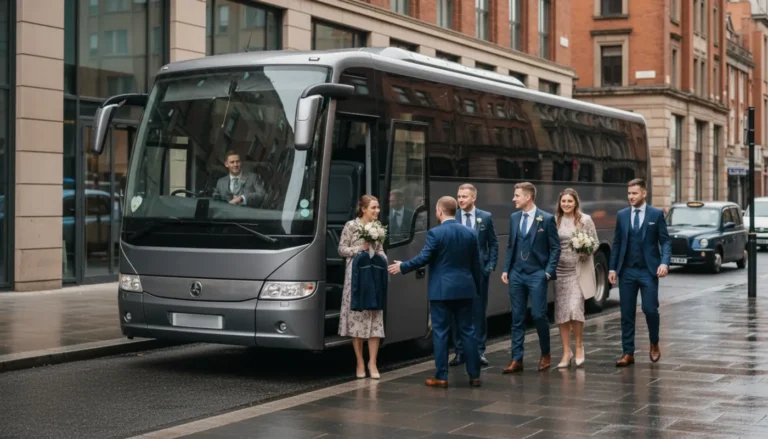
Wedding bus transportation is best booked as soon as your ceremony time, reception venue, and rough guest numbers are confirmed. For many couples, the right time is around 9 to 12 months before the wedding. If your date is in spring, summer, or on a bank holiday weekend, it is better to book even earlier because popular dates fill quickly. A coach or minibus is not just a nice extra. It helps your day run smoothly from the first guest arrival to the final journey home.
Transport can feel like one of those jobs that sits quietly on the wedding planning list until it suddenly becomes urgent. Then there are route timings, guest pick up points, parking access, older relatives, children, luggage, confetti, and that one cousin who is always late. A clear booking timeline helps you avoid stress, rushed choices, and limited vehicle options. It also gives your guests confidence that they can relax and enjoy the celebration without worrying about taxis, parking, or who has to drive.
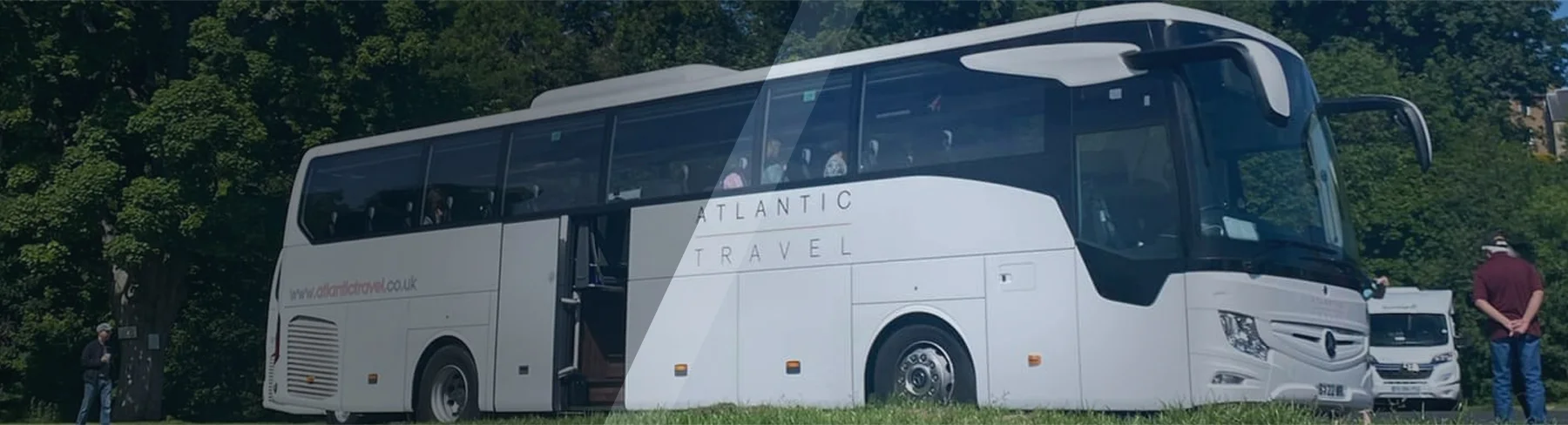
Atlantic Travel wedding transport helps couples plan reliable wedding travel across the UK, with comfortable coaches, minibuses, and larger executive vehicles for guest journeys. Whether you need a simple shuttle between two venues or full day wedding transport, early planning makes everything easier. The right vehicle, route, and schedule can turn travel time into part of the occasion rather than a problem to solve. A well organised coach booking also helps protect your wedding timeline, which matters when everyone is waiting for the couple to arrive.
Why Wedding Bus Transportation Needs A Timeline
Wedding bus transportation needs a clear timeline because your travel plan depends on several details, not just the vehicle itself. Your ceremony start time, reception location, photo plans, guest accommodation, and evening finish time can all affect the route. If one detail changes, your transport plan may need to change too. Booking early gives you time to adjust without starting again.
A coach operator will usually need clear information before giving an accurate quote. This includes the number of passengers, pick up addresses, drop off points, journey times, venue access, and whether you need return travel later in the evening. If you are still comparing options, it is a good time to read more about wedding guest transport so you can decide what level of service suits your day. Are guests staying at different hotels? Is parking limited at the venue? For larger weddings, the difference between one coach, two minibuses, or a double decker bus can affect both cost and guest comfort.
A timeline also prevents small planning gaps that only appear on the day. Guests may need extra time to board, especially if people are dressed formally, carrying bags, or helping older relatives. Venues may have coach parking rules, narrow entrances, or set arrival times. A good schedule includes breathing space because weddings rarely run to the minute, and they would probably feel a bit less fun if they did.
12 To 18 Months Before The Wedding
This is the ideal time to start thinking about wedding transport if your date is already confirmed. You may not need to book straight away, but you should begin working out the size and shape of your transport needs. Think about where guests will be staying, how many people may need a lift, and whether your ceremony and reception are at different venues. If your wedding is in peak season, this early planning can make a real difference.
At this stage, speak to your venues about access for coaches and minibuses. Ask whether large vehicles can enter the site, where guests can be dropped off, and whether there are time limits for loading and unloading. This is especially useful for countryside venues, historic buildings, city centre hotels, and barns with narrow lanes. A quick venue chat now can save a lot of confusion later.
If you are planning a large guest list, a rural celebration, or a wedding with several pick up points, early transport enquiries are sensible. You do not need every guest name confirmed yet. A rough estimate is enough to start exploring coach sizes and journey options. Once you know what is possible, you can shape your guest information and wedding website around it.
9 To 12 Months Before The Wedding
This is the best booking window for wedding coach transport for many couples. By now, your ceremony and reception details are usually settled, and your guest list is clearer. Booking during this period gives you a better choice of vehicles and time slots. It also allows the transport company to check route timings properly instead of making a rushed estimate close to the day.
If your wedding is on a Saturday between May and September, aim for the earlier end of this window. The same applies to bank holiday weekends, Christmas weddings, and dates near major local events. Coach availability can be tighter than people expect because vehicles are also used for school trips, sports travel, private hire, and tours. Waiting too long may mean giving up your preferred vehicle size, comfort features, or collection times.
This is also when you should compare what is included in your quote. Look at the vehicle type, driver time, mileage, waiting time, return journeys, and any extra stops. If you want help understanding what affects pricing, a cost focused article such as wedding coach hire prices can help you ask the right questions. The cheapest quote is not always the best if it leaves out waiting time or does not allow enough room in the schedule.
6 To 9 Months Before The Wedding
If you have not booked yet, this is the point where wedding transport should move up your list. You should have enough information to confirm your main arrangements, even if your final guest numbers are still being checked. Try to confirm the main pick up location, ceremony address, reception address, and likely return time. These details give your coach provider a strong base to work from.
During this stage, think carefully about your guests’ experience. A single central pick up point can be simpler, but multiple stops may be kinder if guests are staying in different hotels. For city weddings, guests may prefer being collected from one hotel or station. For rural venues, a coach can make the journey much easier and reduce the risk of guests getting lost on small country roads while following a sat nav that seems to have a mind of its own.
You should also decide whether you need one way transport, a return service, or shuttle journeys during the evening. Some couples provide transport only from the ceremony to the reception. Others arrange late night returns to hotels or town centres. The right choice depends on your budget, guest list, and how easy it is for people to travel on their own.
3 To 6 Months Before The Wedding
At this point, you should be confirming the finer details of your wedding coach booking. Share your planned ceremony time, reception arrival time, speeches, meal schedule, and evening entertainment start time where useful. Your transport provider can then advise on realistic collection times. It is better to arrive a little early than to have guests walking in halfway through the vows, which is memorable for all the wrong reasons.
This is also a good time to review passenger numbers. If your guest list has changed, let your provider know as soon as possible. You may need a larger coach, an extra minibus, or fewer seats than first expected. Changes are usually easier to handle at this stage than they are two weeks before the wedding.
Make sure you also consider accessibility needs. Some guests may need step free access, extra boarding time, or a vehicle that is suitable for mobility needs. If children are travelling, parents may need to understand what they should bring and how boarding will work. Good communication makes guests feel cared for, and that is exactly what wedding transport should do.
How To Build A Wedding Bus Transportation Schedule
A strong wedding bus transportation schedule works backwards from the key moments of the day. Start with the ceremony time, then allow for guest arrival, boarding, traffic, parking, and any short walk from the drop off point. If the ceremony begins at 1 pm, guests may need to arrive by 12.30 pm. That could mean the coach leaves the hotel at 11.45 am, depending on distance. Small timing choices like this can make the whole day feel calmer.
For the journey between the ceremony and reception, allow time for photos, confetti, and people gathering their belongings. Guests rarely move as one perfectly organised group, even with the best intentions. A few minutes can disappear while someone finds their jacket, checks on a child, or chats to an auntie they have not seen in years. Build those human moments into the plan rather than pretending they will not happen.
For evening returns, think about the mood of the day. Some guests may want an earlier journey back, while others will stay until the final song. You might choose one main return time or two staggered departures. If you are planning late night transport, check venue closing times and local noise rules. For official road safety and vehicle standards information, the Driver and Vehicle Standards Agency is a useful source.
Useful Details To Confirm Before You Book
Before you confirm your coach, gather the details that help your transport provider plan accurately. You do not need to have every table plan finished, but you do need practical travel information. The more accurate your details are, the more reliable your quote and schedule will be.
- Wedding date and ceremony time so availability and journey timings can be checked properly.
- Full venue addresses including postcode, entrance details, and any coach access notes.
- Estimated passenger numbers with a little flexibility for late changes.
- Pick up and drop off points such as hotels, stations, homes, or reception venues.
- Return journey plans including preferred departure times and final drop off locations.
- Accessibility needs so the right vehicle and boarding support can be discussed.
It is also wise to choose one transport contact for the wedding day. This should not be the couple if possible, because you will have enough to think about. A trusted friend, family member, or wedding coordinator can help gather guests and answer driver questions. That small step can keep the transport running smoothly without pulling you away from your celebration.
1 To 3 Months Before The Wedding
This is the confirmation stage. By now, your provider should have your final route, passenger estimate, and timing plan. You should also confirm any special instructions from the venue, such as where the coach should wait or whether there is a preferred entrance. Send guest transport details with your final wedding information so everyone knows where to be and when.
Clear guest communication is one of the easiest ways to avoid delays. Tell guests the pick up location, departure time, and whether the coach will wait. If the vehicle leaves at 11.30 am, say that boarding starts at 11.15 am. People are much more likely to arrive on time when they understand the difference between meeting time and departure time.
If you have guests travelling from far away, include transport details in their accommodation information. Let them know whether luggage can be brought onto the coach or whether they should leave bags at their hotel. Small details like this reduce questions in the final week. They also stop your phone becoming a wedding transport help desk.
2 To 4 Weeks Before The Wedding
Two to four weeks before the wedding, check every transport detail one final time. Confirm the date, vehicle size, driver arrival time, pick up points, drop off points, and return arrangements. Ask whether the driver has all venue notes and access instructions. If anything has changed, update the provider straight away.
This is also the time to finalise your passenger list. You may not need names for every journey, but it helps to know approximate numbers at each stop. If one hotel has 40 guests and another has 12, your route may need to be planned in a specific order. Getting this right saves time and keeps the journey comfortable.
Share a simple transport message with guests. Keep it clear and friendly, not too long. Include the coach departure time, where to stand, who to contact, and what happens after the reception. If guests know the plan, they are much less likely to panic, wander off, or decide they suddenly need a coffee just as the coach arrives.
The Week Of The Wedding
The week of the wedding should be about calm checks, not major planning. Confirm the final schedule with your coach provider and your venue. Make sure your chosen transport contact has the details, including the provider’s phone number and the planned route. Keep everything in one place so nobody is searching through old messages on the day.
If weather is likely to affect timings, allow a little extra flexibility. Heavy rain can slow boarding as guests manage umbrellas, dresses, and suits. Winter weddings may need more time for darker roads or poor conditions. A few spare minutes can protect the mood of the day and keep everyone smiling.
On the day itself, trust the plan. Your driver and transport contact can manage guest movement while you focus on getting married. That is the whole point of booking wedding transport in the first place. Done well, it quietly supports the day without demanding attention.
Common Mistakes With Wedding Bus Transportation
One common mistake is leaving wedding bus transportation until the final few weeks. By then, choice may be limited and prices may be less flexible. Another mistake is guessing journey times based only on a normal car route. Coaches need suitable access, safe stopping points, and enough time for passengers to board.
Couples can also underestimate how many guests will appreciate organised transport. Even confident drivers may prefer not to navigate an unfamiliar venue in formalwear. Guests from out of town may not know the local area, and older relatives may feel more relaxed with a planned journey. A coach can make the whole guest experience feel more thoughtful.
Another issue is forgetting the return journey. Everyone thinks about getting guests to the ceremony, but the end of the night matters too. Taxis may be scarce, prices may rise, and rural venues can be tricky after dark. A planned return coach gives everyone a safe and simple way home.
When Should You Book Your Wedding Coach?
You should book your wedding coach around 9 to 12 months before your wedding where possible, or 12 to 18 months ahead for peak dates, large weddings, or complex routes. This gives you the best chance of securing the right vehicle and a practical schedule. If your date is less than six months away, do not panic, but make transport enquiries as soon as you can.
The best time to book also depends on your guest list and venue. A small wedding party using one minibus may have more flexibility than a large wedding needing several coaches. A city centre wedding may require careful timing around traffic, while a countryside venue may need extra attention to access and parking. Is your venue tucked down a narrow lane, or are guests travelling from different parts of the UK? The earlier you speak to a provider, the easier it is to plan around these details.
Good wedding transport is about more than moving people from one place to another. It protects your timings, supports your guests, and removes a layer of stress from the day. With a clear timeline, the right vehicle, and a trusted operator, your wedding journey can feel simple, comfortable, and well organised from start to finish. If you are ready to start planning, speak to Atlantic Travel about your route, guest numbers, and timings, and get your wedding coach transport moving early.
Frequently Asked Questions
How Far In Advance Should I Book Wedding Coach Transport?
Most couples should book 9 to 12 months before the wedding. For peak season or bank holiday dates, 12 to 18 months ahead is safer.
Can I Book A Wedding Coach Before Final Guest Numbers Are Confirmed?
Yes, you can usually start with an estimated number. Let your provider know when numbers change so they can advise on the best vehicle size.
Should I Provide Transport For All Wedding Guests?
You do not have to, but it is helpful if your venue is rural, parking is limited, or many guests are staying at the same hotel. Even one main coach can make the day easier.
Is A Minibus Better Than A Coach For A Wedding?
A minibus is ideal for smaller groups or wedding party travel. A coach is usually better for larger guest numbers, longer journeys, or central hotel pick ups.
What Details Does A Coach Company Need For A Wedding Quote?
They will usually need your date, passenger numbers, pick up points, venue addresses, journey times, and return plans. Accessibility needs and venue access notes are also useful.