Northolt Drive, Mikar Business Park, Bolton BL3 6RE

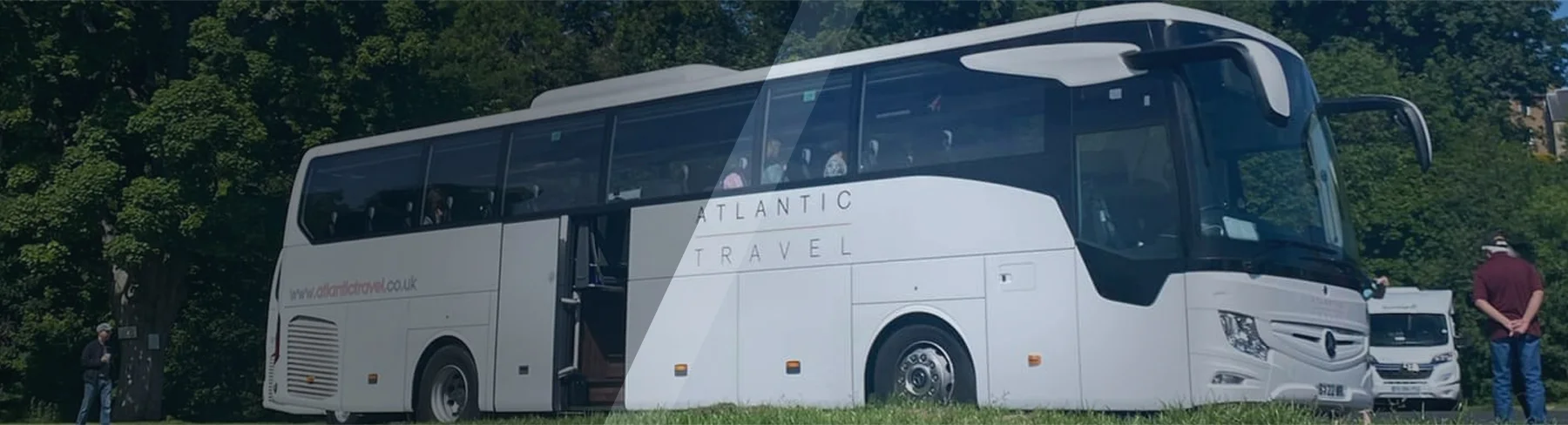
Funeral Bus Service For Shared Funeral Travel
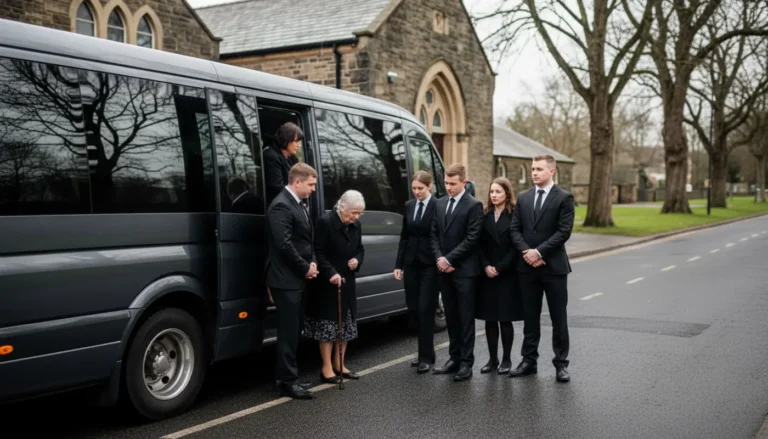
A funeral bus service gives family and friends a calm and practical way to travel together on the day of a funeral, memorial service, burial, cremation, or celebration of life. It helps reduce the pressure of driving, parking, checking routes, and coordinating several cars at a time when people already have a lot on their minds.
For many families, the main benefit is simple. Guests arrive together, leave together, and can support one another throughout the journey. If people are travelling from hotels, train stations, family homes, or different local areas, shared transport can make the day feel more settled and better organised.
Respectful group transport from DKU supports families, funeral directors, and organisers with carefully planned travel for sensitive occasions. The focus is on arriving on time, keeping passengers comfortable, and making the transport feel smooth rather than complicated. With the right vehicle, route, and timings in place, a funeral bus can quietly take care of the travel while the family focuses on being together.
What Is A Funeral Bus Service?
A funeral bus service is private group transport arranged to carry mourners, relatives, friends, and guests between funeral related locations. It usually carries the people attending the service, rather than the coffin or the person who has died. Depending on the number of passengers, the vehicle may be a minibus, a larger coach, or more than one vehicle following the same travel plan.
This type of transport is different from a funeral procession made up of private cars. With private cars, each driver has to manage the route, traffic, parking, timing, and passengers. With a bus or coach, the group has one planned route, one driver, and one clear schedule. That can be a real comfort when guests do not know the area or when the day includes more than one venue.
Families often choose funeral transport for sensitive occasions when they want a more organised way to move family and friends from place to place. It can be especially helpful when parking is limited, when the journey includes a cemetery or crematorium, or when some passengers need more time and support to board. It also means fewer people need to drive on an emotional day.
When A Funeral Bus Service Is Most Helpful
A funeral bus service is most helpful when relatives, friends, colleagues, or community members need to travel together and arrive on time. It is often chosen for extended families, larger guest groups, memorial services, and celebrations of life where people may need to move between several locations during the day.
Shared transport can make a big difference for older passengers, people who feel nervous about travelling alone, and guests who do not know the local roads. It can also help those who cannot drive, prefer not to drive, or may find busy car parks difficult. In a practical sense, it reduces the number of cars on the road and can make arrival at the service feel calmer.
For smaller groups, coach hire planning can still be useful if the day includes several journeys or a return trip after the wake. Families do not need to have every detail ready before asking for help. A good transport provider will shape the travel around the funeral arrangements, not the other way round.
Journeys A Funeral Bus Service Can Cover
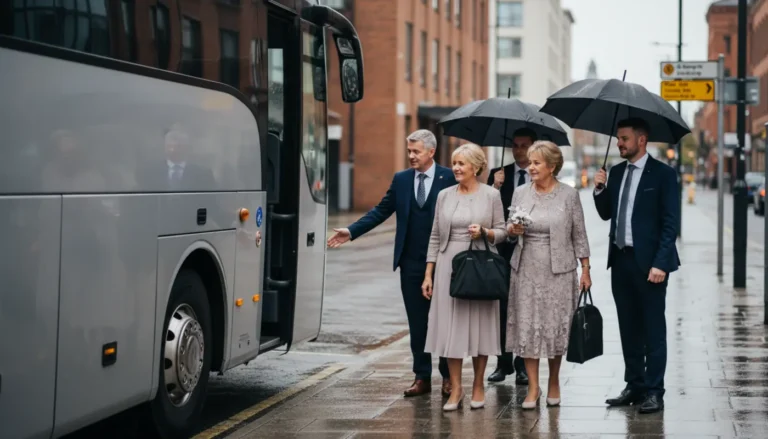
A funeral bus service can usually be planned around the full order of the day. This may include collection from a family home, hotel, train station, funeral home, or central meeting point. It can then continue to a place of worship, crematorium, cemetery, woodland burial site, or reception venue. At the end, the same vehicle may return guests to the original pickup point or complete agreed final drop offs.
Some families need one direct journey, while others need a carefully timed route with more than one stop. Multiple pickup points can work well, but they need realistic planning. Each stop adds boarding time, traffic risk, and possible delay. In many cases, fewer and clearer collection points work better than a long route with many small stops.
The travel plan should be agreed before the day wherever possible. Full addresses, postcodes, access notes, venue contact details, and a little spare time all help the driver manage the route with care. If the funeral director is coordinating the order of the service, it is sensible to share the transport plan with them too. That way, everyone involved understands who is travelling, where they are going, and when they need to arrive.
Choosing The Right Funeral Bus Service Vehicle
The right vehicle for a funeral bus service depends on the number of passengers, the type of journey, and the needs of the group. A smaller minibus may suit close family travelling from one address. A larger coach may be better for extended family, friends, colleagues, or guests staying at the same hotel. If there are many passengers or separate groups, more than one vehicle may be needed.
It is important to count everyone who needs a seat. This includes children, carers, older passengers, and anyone who may join for only part of the journey. It is also worth leaving a little spare room if possible. Filling every seat can make boarding slower and may feel less comfortable, especially when people are wearing formal clothing or carrying flowers, bags, walking sticks, or mobility aids.
- Small family group: A minibus or smaller coach may be suitable, especially for one or two short journeys.
- Medium group: A mid sized coach can work well when family and friends are travelling between several venues.
- Large attendance: A full sized coach or coordinated vehicles may be needed, with careful access planning at each venue.
- Passengers with mobility needs: An accessible vehicle should be discussed early, including boarding, seating, and wheelchair needs.
Accessibility And Comfort On A Funeral Bus Service
Accessibility should be discussed at the start of planning a funeral bus service, not left until the last moment. Ask whether the vehicle has a working ramp or lift, suitable wheelchair space, passenger restraints, enough doorway clearance, and safe boarding space at each stop. It is also important to confirm whether a passenger can stay seated in their wheelchair while travelling, as not every vehicle or wheelchair combination allows this safely.
Government information explains that buses and coaches may include features such as wheelchair spaces, ramps, lifts, and driver support for disabled passengers. However, the exact features can depend on the vehicle and the type of service. This is why it is best to check the exact vehicle details before booking, rather than relying only on the word accessible. Neutral official information is available through official accessibility guidance from GOV UK.
A helpful question to ask passengers is, is there anything we should know to make boarding and travel comfortable and safe? This keeps the tone respectful and practical. Some people may need extra time, a lower step, a seat near the entrance, space for a walking frame, or help from a carer. Clear information helps the transport provider choose the right vehicle and plan enough time at each stop.
Planning A Funeral Bus Service With Less Stress
A clear journey plan makes a funeral bus service easier to manage on the day. Start with the date, service time, and full list of locations. Then add pickup points, expected passenger numbers, venue access notes, and whether the vehicle should wait during the ceremony. It is also helpful to include the name and mobile number of one family contact or funeral director contact.
Funeral timings can change. Services may overrun, traffic may be slower than expected, and boarding may take longer if guests need assistance. Build in gentle time buffers between each part of the day. Ten or fifteen extra minutes can make the difference between a calm transfer and a rushed one.
Share the final plan with passengers in a simple format. A short message with the pickup time, location, return arrangements, and named contact is usually enough. If older relatives are travelling, printed details can also be helpful. Clear communication prevents confusion and reduces the number of calls the main organiser has to answer on the day.
Should The Funeral Bus Service Wait During The Funeral?
In many cases, keeping the funeral bus service with the group is the simplest option. If the vehicle waits during the service, it can take passengers straight to the cemetery, crematorium, or reception venue afterwards. This avoids arranging a second vehicle and means guests do not need to work out travel plans during an emotional moment.
Waiting time should be agreed when requesting the quote. Some bookings include a set hire period, while others may charge extra if the vehicle is needed for longer. Ask what happens if the service runs late or if the family needs a little more time after the committal, which is the final part of the service at the graveside or crematorium. A respectful transport provider will explain this clearly before the day.
If the vehicle is not waiting, make sure passengers know the alternative plan. That may be a fixed return collection time, a separate pickup after the reception, or one way travel only. The important point is that nobody is left unsure about how they are getting from one part of the day to the next.
What Affects The Cost Of A Funeral Bus Service?
The cost of a funeral bus service depends on several practical details. Vehicle size, hire duration, mileage, number of stops, waiting time, day of the week, and accessibility needs can all affect the final price. A simple one way journey for a small group will usually cost differently from a full day arrangement with several venues and return travel.
When comparing quotes, look beyond the headline price. Check what is included, how long the vehicle is booked for, what happens if timings change, and whether there are extra charges for additional stops or waiting. It is also useful to confirm whether parking charges, access restrictions, or late changes are covered. Clear terms help families avoid unwanted surprises at an already difficult time.
The best quote is not always the cheapest one. Reliability, driver experience, vehicle suitability, and clear communication matter a great deal for funeral transport. A calm, punctual, and well presented service can help the day feel more settled for everyone travelling.
Funeral Bus Service And Road Safety
A funeral bus service carrying mourners must still follow normal road rules. The driver needs to follow traffic law, safe driving practice, and any instructions from authorised personnel. If the bus forms part of a wider funeral procession, the funeral director may give guidance on the order of vehicles and the planned route.
Passengers can help by boarding promptly, keeping aisles clear, and avoiding distractions for the driver. It is also wise to keep phones on silent during the journey, unless someone needs to coordinate with the family contact. Emergency vehicles must always be given priority. The aim is not to rush, but to travel safely and respectfully.
Procession customs and local rules can vary by area. If there are road closures, private estate roads, cemetery access rules, or special local arrangements, these should be checked in advance. The funeral director and transport provider can often work together to make sure the route is practical and suitable for the vehicle.
Questions To Ask Before Booking A Funeral Bus Service
Asking the right questions early makes the booking process easier. Families do not need to know every detail before making an enquiry, and that is completely normal. The more information available, the more accurate the advice and quote will be. A simple checklist can help gather the essentials without adding extra pressure.
- How many passengers are likely to travel?
- Does anyone use a wheelchair, walking frame, or mobility aid?
- Can a wheelchair remain occupied during travel if needed?
- What are the exact pickup and drop off addresses?
- Will the vehicle need to wait during the service?
- Are there multiple venues, such as a church, cemetery, crematorium, or reception?
- What happens if the service runs late?
- Who will be the named contact on the day?
- What is included in the quoted hire period?
- What are the terms for changes or cancellation?
Example Funeral Bus Service Plan
An example funeral bus service plan may start with a 9.00 pickup from a family hotel, followed by a 9.20 pickup from a family home. The coach could arrive at the funeral home for 10.00, then transfer guests to the place of worship for an 11.00 service. After that, it may travel to the cemetery or crematorium at 12.15, then continue to the reception venue at 13.30. A return journey or final drop off could be arranged for 15.30 or later.
Actual timings should always be confirmed with the funeral director and venues. The plan should allow time for boarding, traffic, floral tributes, photographs, and people moving at a gentle pace. It is better to have a little spare time than to feel hurried. A funeral bus service works best when it quietly supports the day, rather than making the schedule feel tight.
Frequently Asked Questions
What Is A Funeral Bus Service?
A funeral bus service is private group transport for mourners, relatives, and guests travelling between funeral related locations. It helps people arrive together and reduces the stress of driving, parking, and route planning.
How Many People Can Travel On A Funeral Bus?
The number of passengers depends on the vehicle chosen and the needs of the group. A minibus may suit a smaller family group, while a larger coach may be better for extended family, friends, colleagues, or community members.
Can A Funeral Bus Go To The Cemetery?
Yes, a funeral bus can usually include a cemetery or crematorium stop if access and timings are suitable. The route should be checked in advance, especially when using a larger vehicle.
Is Funeral Bus Transport Wheelchair Accessible?
Accessible options may be available, but the exact vehicle details must be confirmed before booking. Ask about ramps, lifts, wheelchair spaces, restraints, and whether the passenger can remain seated in their wheelchair during travel.
How Far In Advance Should Funeral Transport Be Booked?
Book as soon as the funeral date, locations, and approximate passenger numbers are known. Short notice arrangements may still be possible, but early planning gives more vehicle choice and reduces pressure.
If you are arranging funeral travel and feel unsure where to begin, DKU can help you talk through the journey, passenger needs, timings, and vehicle options in a calm and practical way.