Northolt Drive, Mikar Business Park, Bolton BL3 6RE

Bus Hire For Funerals
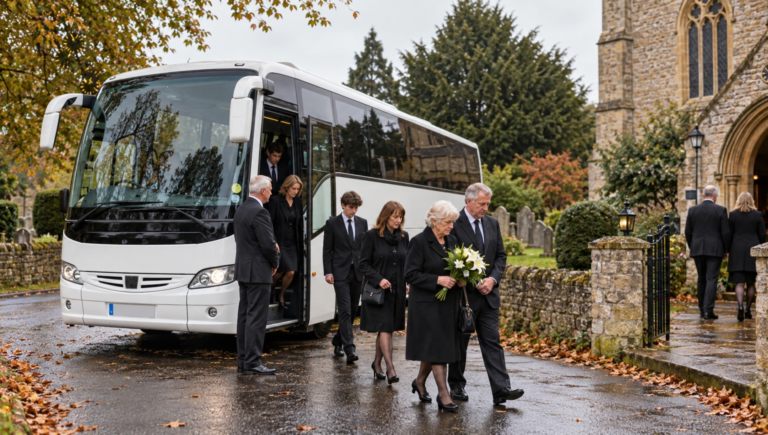
Bus hire for funerals helps family members, friends and mourners travel together with dignity, comfort and less stress on a difficult day. It gives everyone a planned way to move between homes, hotels, a church, a crematorium, a cemetery or a wake venue without worrying about parking, directions or late arrivals. The right provider can make the day feel calmer, better organised and easier to manage.
A respectful provider will offer a suitable vehicle, a calm professional driver, clear timings, safe boarding and a thoughtful approach from the first enquiry to the final drop off. Funeral transport should feel quiet, careful and unhurried. It is not just a normal group journey. It is part of a sensitive day where small details matter.
Arranging funeral transport often happens while emotions are high and time is limited. You may need to think about where guests are staying, who needs help getting on and off the vehicle, and whether people are travelling from different homes or hotels. A bus, minibus or coach can make the day easier by keeping everyone together and reducing the need for several cars.
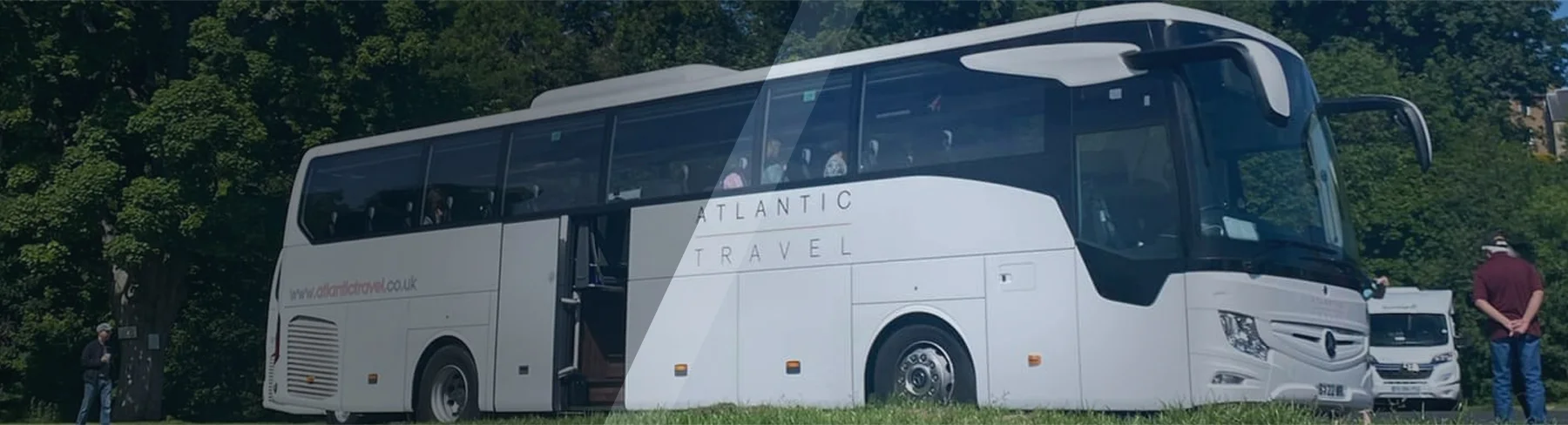
A respectful provider understands that funeral transport is not only about seats and wheels. It is about timing, presentation, care and quiet reliability. professional group transport from Atlantic Travel can be planned around the service, the route and the needs of passengers. That means families can focus on being with the people who matter, rather than chasing cars, maps and arrival times.
What Bus Hire For Funerals Includes
Bus hire for funerals normally includes passenger transport for mourners and family members. This may mean collection from a home, hotel, community venue or central meeting point, followed by travel to a place of worship, crematorium, burial ground or wake. Some families book a single journey, while others need a vehicle to wait and continue between several locations. The full route should be agreed before the day, so there is no confusion when people are already under pressure.
A funeral bus is usually for people attending the funeral, not for carrying the coffin. Coffin transport normally needs a hearse or another suitable vehicle arranged through the funeral director. If a family is thinking about a non standard option, it should be discussed carefully with both the funeral director and the transport provider. Safety, dignity and legal suitability all need to be clear.
If you are comparing options, it can help to look at a dedicated funeral transport service rather than treating the booking like everyday group travel. A provider used to funeral work will understand sensitive timings, quiet communication, venue access and the need for a calm, polished service. That experience can make a real difference on the day.
When A Funeral Bus Or Coach Is Useful
A funeral bus or coach is useful when several people need to arrive together, especially where parking is limited or the venue is unfamiliar. It can also help when guests are travelling from outside the area and need a simple way to reach the service without trying to navigate local roads. If the funeral includes a separate burial, crematorium or wake, shared transport can prevent delays and reduce the chance of people getting lost between venues.
Group transport is also helpful for elderly mourners or guests with mobility needs. Walking from a distant car park, finding a taxi or changing between public transport options can feel difficult. A planned vehicle with a professional driver gives passengers a clearer and gentler journey. It also allows the family to keep an eye on everyone without trying to coordinate a convoy of private cars.
A shared vehicle can also support people who may not feel able to drive on such an emotional day. Some mourners may be tired, upset or unfamiliar with the area. Travelling together gives them company, reassurance and a clear plan from the start of the day to the end.
Choosing The Right Vehicle Size For Bus Hire For Funerals
The best vehicle is not always the largest one. A minibus may be ideal for a close family group, especially if the route includes narrow streets, small village churches or restricted cemetery entrances. For smaller gatherings, funeral minibus hire can feel personal and practical, while still allowing passengers to travel together in comfort.
A midi coach works well for medium sized groups that need more seats but still want a vehicle that feels manageable on local roads. It can be a sensible middle ground for families who expect more passengers than a minibus can carry, but do not need a full size coach. A full size coach may be the best choice for a larger congregation, especially if guests are travelling from one shared starting point.
Do not book only by seat count. Allow room for coats, bags, walking sticks, walking frames and any equipment passengers may need. It is also worth asking whether one shared collection point would make the day easier. If someone uses a wheelchair, check whether they can remain in it during travel or whether they will transfer to a seat. It is often better to have a little extra space than to fill every seat and make boarding feel rushed.
How To Choose A Respectful Bus Hire For Funerals Provider
A respectful funeral transport provider communicates clearly, calmly and without fuss. They should ask sensible questions, confirm details in writing and avoid making the process feel more complicated than it needs to be. You should know who to contact before the day and who will be available if timings change. A good provider will understand the tone of the day without needing long explanations.
Driver conduct is just as important as the vehicle. The driver should be smartly presented, patient, discreet and familiar with the agreed route. Music should not be played unless the family asks for it, and any spoken updates should be simple and needed. Smooth driving, careful parking and considerate boarding all help passengers feel settled.
Punctuality matters, but people should not feel rushed. Funeral transport should allow time for slower boarding, traffic, parking and short pauses between parts of the day. Elderly passengers may need a moment to get seated, and families may need time to gather themselves. A respectful provider understands this and keeps the day moving gently.
Accessibility Questions For Funeral Transport
Accessibility should be discussed at the enquiry stage, not left until the morning of the funeral. Ask whether the vehicle has a working ramp or lift, how many wheelchair spaces are available and whether a passenger can travel while seated in their wheelchair. You should also ask about restraint systems, handrails, step height and storage for walking aids. A vehicle may be comfortable for most passengers but still unsuitable for one person if the access details are not right.
It is also important to think beyond the vehicle. Can the bus stop safely outside the house, hotel, church or crematorium? Is there enough space for a wheelchair lift to be used? Is the route from the drop off point to the chapel, graveside or wake venue manageable? Getting these details right can help elderly relatives and disabled passengers feel safer, calmer and properly considered. Official guidance on disabled passenger rights on transport is a useful neutral reference when thinking about access, assistance and reasonable support.
How To Check A Funeral Transport Provider Is Legitimate
For paid passenger transport using vehicles with nine or more passenger seats, it is sensible to ask about the operator’s Public Service Vehicle licence where this applies. You do not need to become a transport law expert. You simply need to ask direct questions and expect clear answers. If a provider is vague about who operates the vehicle, who employs the driver or what vehicle will arrive, treat that as a warning sign.
Insurance and vehicle standards should also be clear. Ask whether the driver is included, whether the vehicle is maintained for passenger use and whether the operator can confirm the agreed capacity. It is also worth checking what happens if the named vehicle becomes unavailable. A professional company should have a clear plan for delays, breakdowns or other issues, so the family is not left dealing with added pressure on the day.
Reviews, local reputation and the way the provider handles your first enquiry can also tell you a lot. A funeral transport company should be patient with questions, careful with details and realistic about timings. If communication feels rushed or unclear before you book, it may not improve on the day.
What To Include In A Funeral Bus Hire Quote
A good quote starts with good information. Before contacting providers, gather the funeral date, service time, venue addresses, expected passenger numbers and any mobility needs. Include whether the vehicle must wait during the service, travel on to a cemetery or wake, and return passengers afterwards. The more complete your information is, the more accurate the quote will be.
Confirm the number of passengers, including children and anyone who may need extra boarding time. Share every collection point, destination and return location with full addresses. Explain wheelchair access, walking aids, luggage, flowers or any special requirements. Ask whether waiting time, parking, tolls and driver time are included. Request the total price, cancellation terms and emergency contact details in writing.
When comparing quotes, do not focus only on the lowest figure. One provider may include waiting time, multiple stops and a named contact, while another may charge extra for each change. A clear, itemised quote is easier to trust than a cheap headline price with details missing. For funeral transport, certainty is worth a great deal.
Planning The Funeral Transport Timetable
A simple written timetable can prevent most transport problems. Start with the service time, then work backwards to allow for arrival, parking, boarding and travel. Add extra time for passengers who may need help getting on or off the vehicle. It is better to arrive calmly with time to spare than to cut it fine and spend the journey watching the clock.
If there are multiple pickup points, ask whether they are all practical for the chosen vehicle. A full size coach may not be able to stop safely outside every private address. In many cases, one or two central collection points can make the journey smoother. This is especially helpful in busy towns, rural lanes or streets with limited turning space.
Share the final itinerary with the funeral director, the transport provider and the family member who is coordinating passengers. Make sure everyone is working from the same version. If the funeral director knows the bus arrival time, they can help align the transport with the hearse, pallbearers and service schedule. That small bit of coordination can remove a lot of stress from an already emotional day.
What Affects The Cost Of Bus Hire For Funerals
The cost of bus hire for funerals depends on the vehicle size, mileage, hire duration, number of stops and waiting time. Accessibility needs, weekend dates, bank holidays and extra vehicles can also affect the quote. A short local journey with one collection point will usually be simpler to price than a full day with several homes, a service, burial, wake and return journey.
Route complexity matters too. Cemeteries, crematoria and rural venues can have narrow access roads, limited parking or strict arrival windows. If the provider needs extra planning time or a smaller vehicle for access reasons, this may influence the price. Always ask what is included, rather than assuming fuel, parking and waiting are covered. Clear pricing helps families avoid awkward surprises later.
Payment terms should also be easy to understand. Ask whether a deposit is needed, when the balance is due and what happens if the service time changes. Funeral arrangements can move quickly, so clear terms help everyone know where they stand.
Common Bus Hire For Funerals Mistakes To Avoid
One common mistake is booking by passenger count alone. A vehicle with enough seats may still be unsuitable if passengers need wheelchair access, extra storage or easier steps. Another mistake is assuming a standard coach can carry a coffin. Passenger transport and coffin transport are separate arrangements, and the funeral director should be involved in any discussion about transport for the deceased.
Families sometimes underestimate timing as well. Boarding takes longer when guests are emotional, elderly or unsure where they need to sit. Parking and turning can also take time, especially at older churches and cemeteries. Build a generous timetable and give the provider accurate addresses. If something changes, tell the transport company and funeral director as soon as possible.
Choosing the cheapest quote without checking the detail can also cause problems. A slightly higher quote may include a better vehicle, clearer communication, waiting time and backup support. Funeral transport is one of those moments where reliability matters more than saving a small amount. Nobody wants transport problems on a day that is already difficult.
Final Thoughts On Choosing A Respectful Provider
The best provider for funeral bus hire combines practical organisation with quiet sensitivity. Look for clear communication, suitable vehicles, professional drivers, accessibility awareness and written confirmation of every key detail. The experience should feel steady, respectful and well managed from enquiry to return journey.
Before booking, prepare your passenger numbers, addresses, timings, access needs and any special instructions. Ask direct questions about licensing, insurance, waiting time, vehicle suitability and backup arrangements. A good provider will welcome those questions because they help everyone plan properly. If you would like calm, practical guidance, contact Atlantic Travel with your passenger numbers, timings and access needs. With the right transport in place, families and mourners can travel together with dignity and one less thing to worry about.
Frequently Asked Questions
How Far In Advance Should Funeral Bus Hire Be Booked?
Book as early as you can once the funeral date and venue are confirmed. Early booking gives you more choice, especially if you need wheelchair access or a larger vehicle.
Can A Funeral Bus Collect Passengers From Several Addresses?
Yes, many providers can plan several collection points. Each stop may affect the route, timing and price, so share full addresses when asking for a quote.
Can A Standard Coach Carry A Coffin?
You should not assume this. Coffin transport needs a suitable vehicle and should be arranged with the funeral director.
Is A Minibus Or Coach Better For A Funeral?
A minibus suits smaller family groups and restricted access locations, while a coach is better for larger groups. The right choice depends on passenger numbers, mobility needs and the route.
Should The Bus Wait During The Funeral Service?
Waiting can make onward travel to a cemetery, crematorium or wake much easier. Make sure waiting time is included clearly in the written quote.