Northolt Drive, Mikar Business Park, Bolton BL3 6RE

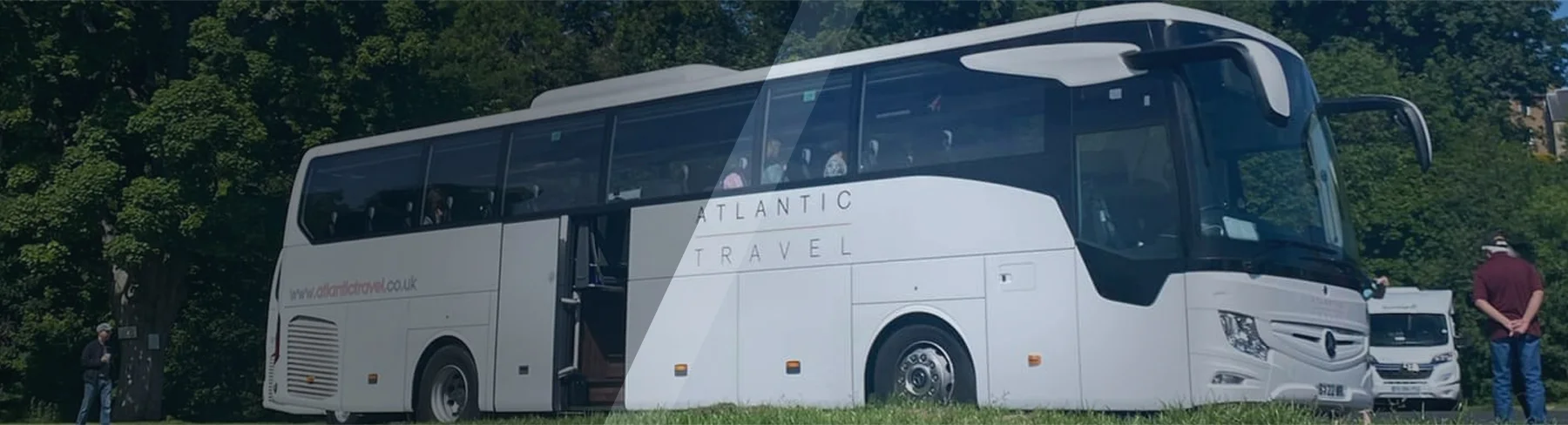
Coach Tour Hire For Multi Day Trip Planning
Coach tour hire makes multi day group travel simpler because everyone travels together, the route is planned around your itinerary, and a professional driver looks after the journey. It is a practical choice for clubs, schools, families, corporate groups, sports teams and tour organisers who want a reliable way to visit several places without managing cars, trains, parking and endless group messages.
A good coach tour is not only about booking a vehicle. It needs realistic timings, sensible comfort stops, enough luggage space, accessible travel planning, confirmed attractions and a schedule that works for both passengers and the driver. That can feel like a lot when you are the person keeping everyone organised, but once you break it into clear steps, it becomes much easier to manage.
At Atlantic Travel, we help groups plan coach travel with comfort, safety and reliability in mind. Whether you are organising a weekend away, a UK sightseeing route, a school visit or a longer private tour, the right planning helps the whole journey feel calm rather than rushed. It turns a big planning task into a smooth, well timed trip.
What Is Coach Tour Hire?
Coach tour hire is the hiring of a coach and driver for a planned group journey that may include several stops, attractions, hotels and travel days. It is different from hiring transport for one transfer because the coach becomes part of the whole tour plan. The route, timings, passenger needs, luggage and overnight arrangements all need to work together.
In many cases, coach tour hire means transport only. Your group provides the itinerary, books the accommodation, chooses the attractions and arranges meals. In other cases, a tour organiser may combine the coach with hotels, attraction tickets, guides or ferry travel. It is worth asking what is included before you compare quotes, because two prices can look very different while covering different things.
Coach Hire Versus A Packaged Coach Tour
Coach hire with driver usually gives your group private transport for your own route. A packaged coach tour is more likely to include a planned programme, accommodation, meals or attraction entry. Neither option is automatically better. The best option depends on how much control you would like, how much time you have to organise the details, and whether your group prefers flexibility or a ready made schedule.
If you are still shaping the route, it can help to start with a shorter journey first. Many organisers use coach hire for a day to test timings, passenger preferences and destination suitability before planning a longer tour. This is especially useful for clubs, societies and community groups that travel together regularly.
When Is Coach Tour Hire The Right Choice?
Coach tour hire is the right choice when a group wants to travel together, visit several places and avoid the stress of using several vehicles. It works well for UK coach tour routes, weekend breaks, heritage trips, theatre trips, educational visits, sports tours and corporate travel. It also makes passenger management easier because everyone has the same departure time, the same route and the same point of contact.
Coach tour hire may not be the best fit for very small groups, routes with limited coach access, or trips where passengers need to move around on their own throughout the day. Remote walking routes, tiny village lanes and destinations without suitable coach parking can create problems. A good operator will help you spot these issues early, before a lovely itinerary turns into a three point turn in a lane designed for sheep.
How To Plan Coach Tour Hire For A Multi Day Trip
The simplest way to plan coach tour hire is to create a clear brief before asking for prices. This helps the coach operator recommend the right vehicle, check whether the timings are realistic and spot any driver, access or luggage concerns. A vague request such as “three days in Wales” is hard to price accurately. A clear day by day outline gives everyone a much better starting point.
Your planning brief should include travel dates, passenger numbers, pickup points, final drop off points and overnight locations. It should also cover planned attractions, preferred departure times, luggage volume and any accessibility needs. Mention equipment too, such as sports kit, musical instruments, pushchairs, wheelchairs or mobility aids. If the tour includes ferries, airports or international travel, add those details from the start.
The Essential Details To Share Before Requesting A Quote
- Exact travel dates and the number of tour days.
- Passenger count, including likely changes before departure.
- Pickup locations, final drop off point and any extra stops.
- Daily destinations, attraction times and hotel addresses.
- Luggage details, including large cases and equipment.
- Accessibility needs, including wheelchair spaces or easier boarding.
- Preferred vehicle features, such as toilet facilities, air conditioning or power points.
- Any border crossings, ferries, event times or fixed bookings.
Sharing the full picture helps avoid awkward surprises later. It also makes quotes fairer to compare because each provider is pricing the same tour. If one quote ignores hotel positioning, parking, long waits or driver rest, it may look cheaper at first but become less useful once the full plan is checked.
Build A Realistic Day By Day Itinerary
A strong group tour itinerary starts with the fixed points. These might include theatre times, attraction entry slots, ferry departures, hotel check in times, restaurant bookings or railway connections. Once those are in place, you can build the rest of the day around them. This is much safer than filling the day with nice ideas and hoping the timings will work.
Map journey times are useful, but they do not show the full picture. Coaches need time for boarding, luggage loading, comfort stops, parking, traffic, passenger movement and group assembly. If you have 48 passengers, a toilet stop is not a two minute task. Add a buffer to each day so delays do not cause problems across the whole tour.
A practical starting point is one main attraction per day, supported by one or two lighter stops. For example, a morning scenic drive, a main afternoon attraction and a relaxed evening meal will usually feel better than four timed visits and a hotel arrival at bedtime. Multi day coach travel should feel enjoyable, not like a military exercise with souvenir shops.
A Simple Itinerary Worksheet
Create a worksheet with columns for the date, departure point, departure time, destination, estimated driving time, comfort breaks, attraction booking, lunch stop, hotel, coach parking, accessibility notes, spare time and emergency contact. This gives you one clear document that can be shared with the coach operator, group leader, hotel and attractions. It also helps passengers understand what is happening each day.
For longer tours, keep a separate passenger register with names, mobile numbers, emergency contacts, rooming details, dietary needs and accessibility notes. Make sure personal information is stored safely and only shared with people who genuinely need it. For schools, youth groups and care related journeys, safeguarding procedures should be agreed before travel.
Plan Around Driver Hours And Rest Breaks
Coach tours must be planned around the driver’s legal hours, rest needs and full working day. The rules can depend on the vehicle, route, service type and whether the journey is in the UK or abroad. GOV.UK explains driver rules for passenger carrying vehicles, including how different journeys may be treated, in its official drivers’ hours guidance.
This means a coach tour cannot be planned on mileage alone. A day that looks possible on a map may not be suitable once loading time, waiting time, breaks, traffic and hotel positioning are included. For long days, early starts, late returns or international routes, the operator may need to check whether a second driver, adjusted schedule or extra overnight stop is needed.
The best approach is to share the whole itinerary rather than asking only for a daily mileage price. We can then check the route properly and advise where timings may need to change. This protects your group, the driver and the success of the tour.
Choose The Right Coach Size And Specification
The right coach is not always the one with the largest number of seats. Passenger comfort, luggage capacity, accessibility, journey length and vehicle features all matter. A full coach may work for a short transfer, but a multi day tour often needs more breathing room. People bring coats, bags, snacks, pillows and, now and then, enough luggage to suggest they are moving house.
Ask about seating capacity, luggage hold space, toilet facilities, air conditioning, reclining seats, USB or power access and onboard comfort features. For longer routes, these details can make a big difference to the passenger experience. If your group includes older travellers, young children or passengers with reduced mobility, boarding arrangements and step height should also be discussed.
Luggage planning is especially important for weekend coach tour hire and longer UK routes. Estimate how many large cases, cabin bags and day bags passengers will bring. Then add any equipment such as sports bags, instruments, mobility aids or pushchairs. If passengers need access to certain items during the day, keep those in smaller day bags rather than buried in the main luggage hold.
Check Accessibility Before You Confirm The Booking
Accessible coach hire needs early discussion because every passenger’s requirements are different. Some wheelchair users may need a lift, ramp, wheelchair space and restraint system. Others may transfer to a seat and store a folding wheelchair in the luggage area. The key is to explain the need clearly before the vehicle is selected.
Accessibility covers the full journey, not only the coach. Check walking distances from drop off points, step free access at attractions, accessible toilets, hotel room access and meal stop facilities. A route can be suitable on paper but difficult in practice if the coach park is far from the entrance or the attraction has uneven surfaces.
Ask passengers about mobility needs privately and respectfully. Then share practical details with the operator so the correct vehicle and route can be considered. Good planning helps everyone feel included, rather than leaving accessibility as a last minute problem.
Select Coach Friendly Destinations And Attractions
Coach friendly destinations make the trip easier for passengers, drivers and group leaders. Before confirming an attraction, check coach parking, drop off points, height limits, width limits, traffic rules, driver facilities and walking distance to the entrance. Also ask whether group admission needs to be booked in advance. Popular attractions, Christmas markets and school holiday dates can fill quickly.
Meal stops need the same care. A cafe that works beautifully for six people may struggle with a coach party arriving at once. For larger groups, call ahead and confirm seating, toilets, dietary options and payment arrangements. If passengers are paying individually, allow more time than you think. Contactless machines are fast, but 50 lunch orders are still 50 lunch orders.
For local inspiration, day tours can be a useful starting point before building a longer route. Atlantic Travel’s ideas for coach day trip ideas show how attractions, timings and group preferences can shape a practical itinerary. The same thinking applies when you stretch a route across several days.
Choose Accommodation That Supports The Route
Your hotel choice can make or break a multi day coach tour. A base itinerary uses one hotel for several nights, with day trips from that location. This keeps packing simple and works well for regional tours. A touring itinerary changes hotels as the group moves across the country, which can reduce backtracking but needs tighter luggage and check in planning.
Before booking, ask hotels about coach access, parking, group check in, luggage handling, breakfast times, evening meals, accessible rooms and early departure arrangements. Also confirm whether the driver needs accommodation and where the coach can be parked overnight. A hotel may look perfect online, but if the coach has to park far away, the travel plan becomes harder.
For older travellers and mixed age groups, consider lifts, ground floor rooms, nearby facilities and the distance from coach drop off to reception. A slightly less grand hotel with easy access can be a better choice than a beautiful property that involves steep steps and a long walk with suitcases.
Create A Realistic Coach Tour Budget
A realistic coach tour budget should cover more than the coach and driver. Include parking, tolls, ferry crossings, accommodation, meals, attraction admission, guides, accessibility support, possible additional driver costs and spare funds for small changes. If the group is collecting payments from passengers, build in a little room for updates. Nobody enjoys asking everyone for another few pounds halfway through the trip.
Coach tour hire cost can vary depending on dates, route complexity, distance, vehicle type, driver arrangements, overnight needs and seasonal demand. A summer weekend, a major sporting event or a Christmas market tour may cost more than a quiet midweek journey. International travel may also involve extra planning, border time, ferry bookings and different driver rules.
When comparing quotes, check what is included. Does the price cover parking and tolls, or are these charged separately? Is driver accommodation included or arranged by the group? What happens if the itinerary changes? A clear written quote is far more useful than the cheapest figure with missing details.
Prepare Passengers Before Departure
Good passenger communication keeps the tour running smoothly. Send a day by day itinerary before travel, including pickup times, exact meeting points, luggage guidance, meal arrangements and expected return times. Make sure passengers know who the group leader is and how updates will be shared. A simple messaging group can be useful, as long as it does not become 200 notifications about who brought biscuits.
Set a clear return to coach process at every stop. Tell passengers the departure time, the coach location and what to do if they are delayed. For larger groups, consider a buddy system or small subgroups. This works well for schools, clubs, mature travellers and busy visitor attractions.
Keep key documents handy, including the itinerary, passenger list, hotel details, attraction confirmations, emergency contacts and operator contact information. For schools or youth groups, include safeguarding details and consent forms where required. For corporate groups, add venue contacts, event timings and any airport or rail connections.
What A Written Coach Tour Quote Should Clarify
A written coach tour quote should clearly show the vehicle type, seating capacity, planned driver arrangements, travel dates, pickup points, route, mileage or hours, overnight arrangements and what is included in the price. It should also state how parking, tolls, ferries, waiting time and changes are handled. This gives you a clear basis for approval and avoids confusion later.
Ask about the payment schedule, cancellation terms, amendment policy, emergency contact process and any extra charges that may apply. If your group has specific needs, such as wheelchair access, large equipment storage or multiple pickups, make sure these appear in writing. A quote should not just confirm the price. It should confirm that the plan is suitable.
Get Your Coach Tour Plan Ready
Coach tour hire is much easier when your route, passenger details, luggage needs and timings are prepared in advance. Start with your dates, group size, destinations and fixed bookings. Then add breaks, meals, hotels, coach parking, accessibility notes and spare time. Once those details are clear, we can give more accurate advice and a more reliable quote.
If you are planning private coach hire for groups, school travel, a club tour, a weekend break or a longer UK sightseeing route, take time to build the itinerary properly. The reward is a calmer journey, happier passengers and fewer last minute surprises. That is the kind of travel planning everyone can get behind.
If you are planning a multi day coach tour and want help checking the route, timings or vehicle choice, we are happy to talk it through with you. A little planning now can save a lot of stress later.
Frequently Asked Questions
How Far Can A Coach Travel In One Day?
It depends on the route, traffic, passenger stops, the wider working day and the driver hours rules that apply. Avoid planning only from map mileage and let the coach operator review the full itinerary.
How Many People Can Travel On A Coach?
Capacity varies by vehicle size and layout. The right choice also depends on luggage, comfort, accessibility needs and any equipment your group is carrying.
Can Coach Hire Include Accommodation?
Transport only coach hire usually does not include accommodation unless this is agreed as part of a wider package. Always check what is included before comparing prices.
Can A Coach Be Hired For A Multi Day UK Tour?
Yes, coaches are well suited to multi day UK tours when the route, overnight stops, driver rest, luggage and attraction bookings are planned properly.
Can Wheelchair Users Travel On A Hired Coach?
Often yes, but suitability depends on the vehicle, boarding method, wheelchair space, restraints and the passenger’s needs. Confirm accessibility requirements before booking.