Northolt Drive, Mikar Business Park, Bolton BL3 6RE

Funeral Transport Service Bolton For Calm And Respectful Travel
A funeral transport service Bolton families can trust helps people travel with dignity, care, and calm on a very difficult day. It can include transport for close family members, mourners, community groups, and guests who need to move between a home, place of worship, crematorium, cemetery, burial ground, or wake venue. The right service reduces pressure on relatives, keeps travel organised, and helps everyone arrive on time without added worry.
When a funeral is being arranged, travel can feel like one more thing on an already heavy list. There may be several places involved, such as a home address, church, mosque, temple, community centre, crematorium, cemetery, and reception venue. Some guests may not drive, while others may be elderly, nervous about travelling, or unfamiliar with Bolton. A well planned transport service keeps the journey simple, so the family can focus on being together and saying goodbye.
Atlantic Travel supports families, funeral directors, community groups, and organisations with respectful group transport across the UK. For funeral journeys in and around Bolton, the focus is on punctuality, discretion, comfort, and clear communication. The aim is not to make a hard day feel busy or confusing. It is to make the travel feel settled, quiet, and properly cared for.
What Is A Funeral Transport Service Bolton Families Can Rely On?
A funeral transport service Bolton families can rely on is a planned travel arrangement for the funeral day. It may cover transport for mourners, close relatives, family friends, faith groups, or larger parties travelling together. Depending on the wider funeral arrangements, it may also work alongside a hearse, funeral cars, or limousine style vehicles arranged through a funeral director.
It helps to understand the difference between two types of funeral transport. The first is transport for the person who has died, which is usually handled by a funeral director using a hearse or another suitable funeral vehicle. The second is transport for mourners, which may involve cars, minibuses, executive coaches, or other suitable vehicles for people attending the service. Many families need both, but they are not always supplied by the same provider.
For mourners, group transport can be very helpful when people are travelling from the same address, hotel, care home, community centre, or place of worship. It can also help when parking is limited, when guests do not know the area well, or when older relatives would prefer not to drive. A single well managed vehicle can make the day feel more settled, with one clear plan for everyone's journey.
Transport For The Deceased
Transport for the deceased is usually arranged with great care through the funeral director. This normally involves a hearse or another suitable funeral vehicle travelling to the ceremony, crematorium, cemetery, or burial place. The funeral director will usually manage timings, procession details, and any needs linked to the coffin, route, or venue.
If a family is arranging an independent funeral, they may need to take more responsibility for these details. Independent arrangements can offer choice, but they also need careful checks with the cemetery, crematorium, registrar, or local authority. The legal and practical steps can vary, so it is wise to confirm the correct process before making final transport decisions.
Transport For Mourners
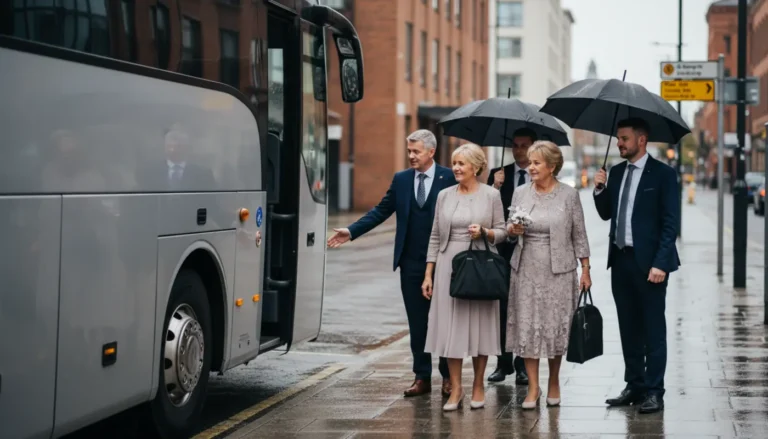
Transport for mourners is often where families have the most choice. Close relatives may prefer a private car or funeral limousine, while larger groups may need a minibus or coach. A group vehicle can collect passengers from a set point, take them to the funeral service, continue to the burial or cremation if needed, and then travel on to the wake or reception.
This type of arrangement is especially useful for families spread across Bolton, Farnworth, Horwich, Westhoughton, Little Lever, Bury, Wigan, and the wider Greater Manchester area. It can reduce late arrivals, parking worries, and confusion over directions. It can also help guests travel together, which often feels comforting on a difficult day.
Why Professional Funeral Transport Matters In Bolton
Professional funeral transport matters because funeral days often run to careful timings. A service may have a fixed arrival slot, a crematorium may work to a set schedule, and some guests may need extra time to board or settle before travelling. When transport is planned properly, it helps the day move more smoothly and avoids extra stress for the family.
Reliability is not just about arriving on time. It is also about confirming the collection point, knowing the order of venues, allowing for traffic, and understanding who the main family contact is. It also means giving passengers clear instructions, so nobody is left wondering where they should stand, sit, or wait. Small details make a big difference when emotions are high.
Discretion matters too. A funeral driver should be calm, respectful, and professionally presented. Vehicles should feel clean, comfortable, and suitable for the tone of the day. Nobody wants extra fuss at the wrong moment. The best service is often the one that quietly does everything right.
Choosing The Right Funeral Vehicle
The right funeral vehicle depends on who needs to travel, where they are going, and how the family wants the day to feel. There is no single correct option for every funeral. A small family service may need only one car, while a larger gathering may need a coach to move mourners between several venues.
A hearse is used to carry the coffin and is normally part of the formal funeral arrangements. Funeral cars or limousine style vehicles are often chosen for immediate family members. Minibuses and coaches are useful when guests need to travel together from one or more collection points. For larger families, community groups, or faith groups, coach travel can make the day much easier to manage.
Families may also want transport that reflects the person who has died. Some prefer traditional and formal arrangements, while others choose something simpler or more personal. The key is to match the vehicle to the family's wishes, the size of the group, and the practical needs of the route. It is always better to discuss preferences early, rather than trying to solve seating problems on the morning of the funeral.
Planning Funeral Transport Around Bolton
Planning funeral transport around Bolton starts with the full journey plan. Write down the collection address, ceremony location, crematorium or cemetery, wake venue, and any return destinations. If guests are being collected from more than one place, make sure the order makes sense and leaves enough time for everyone to board.
Passenger numbers are equally important. A rough estimate may help with an early enquiry, but an accurate number is needed before confirming the vehicle. Too small a vehicle creates stress, while too large a vehicle may not be the best value. If the final guest list is still changing, tell the provider that numbers may move slightly.
Access should be discussed clearly. Some passengers may need extra time to board, help stepping onto the vehicle, space for walking aids, or seating near relatives. If anyone uses a wheelchair or has limited mobility, the provider should be told before the booking is confirmed. This avoids surprises on the day and helps everyone feel properly supported.
Timing and waiting time also need attention. Ask whether the vehicle can wait during the service, continue to the cemetery or crematorium, and then take guests to the wake. If there is a chance the service may run longer than expected, ask how delays are handled. Clear answers help the family understand what is included and what may cost extra.
What Compassionate Funeral Transport Looks Like
Compassionate funeral transport should be clear in the way the booking is handled, the way questions are answered, and the way the driver behaves on the day. Families should feel listened to, not rushed through a set list of questions.
A compassionate provider will confirm the date, time, locations, passenger numbers, and main contact details in writing. They will ask about mobility needs, special timings, and whether the transport needs to work with a funeral director. They will also understand that families may not have every answer straight away.
Respectful service means quiet professionalism. It means the driver arriving in good time, helping where suitable, and allowing passengers to board without pressure. It means understanding that some people may be upset, distracted, or unsure what happens next. A steady approach can help the whole journey feel more manageable.
Funeral Transport Costs And What To Check
Funeral transport costs can vary because every journey is different. Price may depend on the type of vehicle, number of passengers, distance, journey length, waiting time, number of stops, date, time, and any special requests. A simple local transfer will not cost the same as a longer arrangement with several venues and return journeys.
It is sensible to ask for an itemised quotation. This should explain what vehicle is being supplied, whether a driver is included, how long the hire lasts, what mileage is covered, and whether waiting time is included. It should also explain any charges for extra stops, changes, longer distance, or late amendments.
Families should also ask whether VAT is included in the quoted price. VAT is a tax that may apply to some services, and the treatment for funeral related transport can depend on the type of vehicle hire, the driver arrangement, and how the transport is used. For neutral background, GOV.UK provides information on burial cremation and commemoration VAT, but your transport provider should always confirm what applies to your quotation.
Can Funeral Transport Be Arranged Without A Funeral Director?
Funeral transport can sometimes be arranged separately from a funeral director, especially when the family is organising independent parts of the day or simply needs mourners to travel together. However, transport for the person who has died is more sensitive and should always be planned with the correct guidance from the relevant authority, cemetery, crematorium, registrar, or funeral professional.
For mourners' travel, families can usually make their own arrangements for cars, minibuses, or coaches. This is often helpful when the funeral director is arranging the formal service, but the family wants a separate vehicle for guests. In that case, the transport provider may simply need the journey plan, timings, passenger numbers, and contact details for the person coordinating the day.
The best approach is to avoid assumptions. If a funeral director is involved, ask whether they prefer to coordinate timings directly with the transport provider. If the family is arranging things independently, confirm each venue's requirements before booking vehicles. A few careful questions early on can prevent confusion later.
A Simple Booking Process For Funeral Transport
Booking funeral transport should feel calm and straightforward. Start by confirming the funeral date, ceremony time, and all locations involved. Include collection points, the service venue, crematorium or cemetery, wake venue, and return destinations if needed.
Next, explain who needs transport. This may be immediate family, older relatives, mourners travelling from one location, or a larger group from outside Bolton. Mention any mobility needs, preferred seating arrangements, luggage, flowers, or items that need to travel with passengers.
Once the provider has the details, ask for a written quotation. Check the vehicle type, driver, waiting time, number of stops, VAT, and amendment terms. After booking, keep one named contact for the day, and reconfirm the details shortly before the funeral. This keeps communication clear and avoids too many people passing messages around.
Funeral Transport Checklist
- Funeral date and time: Confirm the ceremony time and when passengers need to arrive.
- Collection location: Share the full address and any access notes.
- Service venue: Include the place of worship, crematorium, cemetery, or ceremony location.
- Wake venue: Confirm whether guests need onward or return transport.
- Passenger numbers: Give the most accurate figure possible before booking.
- Mobility needs: Mention walking aids, extra boarding time, or seating preferences.
- Vehicle preference: Ask what size and style of vehicle is most suitable.
- Quotation details: Check driver, waiting time, stops, VAT, and amendment terms.
- Day contact: Choose one person who can answer questions on the day.
Questions To Ask Before Booking
Before you confirm funeral transport, ask practical questions in plain language. Is the driver included? How many passengers can the vehicle carry comfortably? Can it make multiple stops? Is waiting time included while the service takes place?
It is also worth asking about access and comfort. Can passengers board easily? Is there room for mobility aids? Can extra time be allowed for elderly guests? These details help protect comfort and dignity on the day.
Finally, ask about coordination. Can the provider speak with the funeral director if needed? What happens if the ceremony is delayed? Is return transport available after the wake? A clear answer to each question gives the family confidence that the journey is properly planned.
How Atlantic Travel Supports Funeral Transport In Bolton
Atlantic Travel provides respectful group transport for families, funeral directors, organisations, and community groups who need dependable travel at sensitive times. The team understands that funeral transport is not just about moving people from one place to another. It is about helping the day feel calm, dignified, and organised.
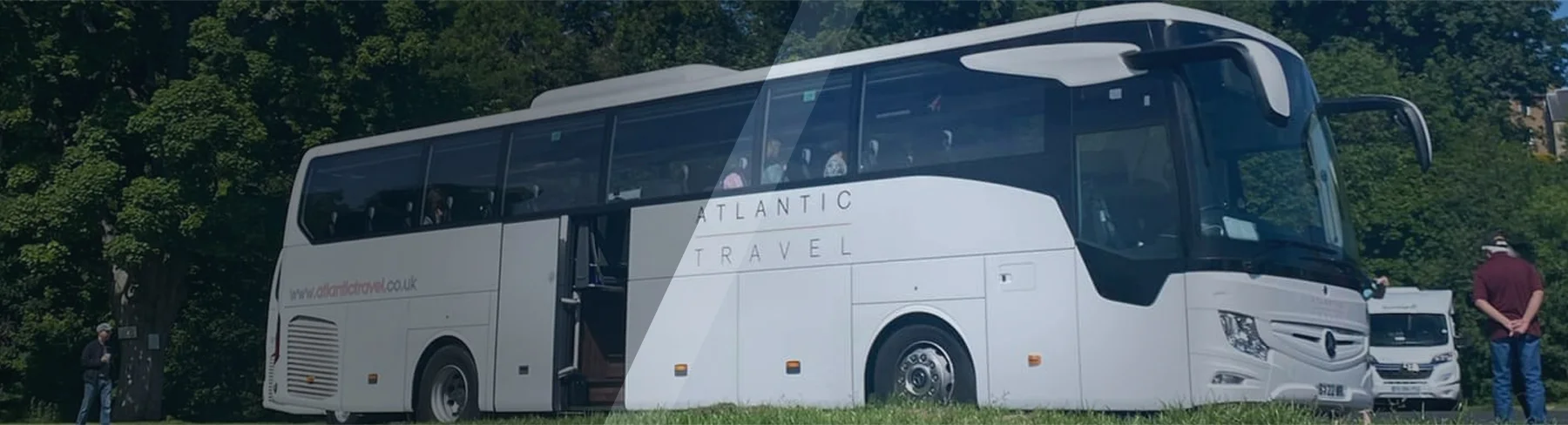
With a range of premium vehicles, including executive coaches, double decker buses, single decker buses, executive minibuses, and accessible travel options where available, Atlantic Travel can support different group sizes and journey types. Vehicles are maintained with safety and comfort in mind, while professional drivers help passengers travel with confidence. For families considering larger group movement, coach hire in Bolton can be a helpful option for keeping mourners together between local venues.
To request funeral transport in Bolton, prepare the date, timings, locations, passenger numbers, and any accessibility needs. Share whether the journey includes a church, mosque, temple, community centre, cemetery, crematorium, wake venue, or return travel. Atlantic Travel will talk through the details calmly and help shape the most suitable plan, without pressure or unnecessary fuss.
Frequently Asked Questions
What Is Included In A Funeral Transport Service In Bolton?
It depends on the booking, but it may include a vehicle, driver, planned route, collection time, waiting time, and onward travel to a wake. Always ask for an itemised quotation so you know exactly what is included.
Can Funeral Transport Carry Family Members And Mourners?
Yes, funeral transport for mourners can be arranged for close family, friends, and larger groups. The right vehicle will depend on passenger numbers, comfort needs, and the journey plan.
Can Funeral Transport Take Guests To The Wake?
In many cases, transport can continue from the funeral service to the wake or reception. Confirm this when booking, as waiting time and return travel may affect the quotation.
Is Funeral Transport Suitable For Elderly Or Disabled Passengers?
It can be, but suitability should be checked before booking. Share details about mobility aids, boarding needs, seating preferences, and extra time so the provider can advise properly.
How Far In Advance Should I Book Funeral Transport?
Book as soon as the funeral date, time, and locations are known. Larger groups, multiple stops, and specific vehicle requests are easier to arrange with more notice.